A common culinary trope, particularly in regions where spicy food is a staple, is the notion that consuming chilies or other spicy ingredients directly leads to the formation of gastric ulcers. This belief is deeply ingrained in many cultures, often serving as a cautionary tale or an explanation for digestive discomfort. The excerpt, "MALAYSIANS are born with a cili padi in one hand and a plate of nasi lemak sambal in the other," humorously illustrates the pervasive presence of spicy food in Malaysian culture. Nasi lemak, a national dish, is almost invariably served with sambal, a chili paste that provides its signature heat.
However, modern medical science has largely debunked this direct causal link. While spicy foods can certainly exacerbate existing ulcer symptoms and cause discomfort, they are not the primary cause of ulcers. The main culprits behind peptic ulcers, which affect the stomach and the first part of the small intestine, are typically infections with the bacterium Helicobacter pylori (H. pylori) and long-term use of nonsteroidal anti-inflammatory drugs (NSAIDs) like ibuprofen and aspirin. These factors damage the protective lining of the stomach, allowing stomach acid to irritate and inflame the tissue, leading to ulcer formation.
When individuals with ulcers consume spicy foods, the capsaicin, the active compound in chilies responsible for their heat, can stimulate the production of stomach acid and increase irritation to the already damaged stomach lining. This can result in a burning sensation, pain, and increased discomfort. Therefore, while not the cause, spicy food can act as a significant trigger for ulcer pain and symptoms. This is why individuals diagnosed with ulcers are often advised to moderate their intake of spicy foods.
The persistent misconception likely stems from the fact that the symptoms of an ulcer – burning pain in the upper abdomen – can be easily mistaken for the discomfort caused by spicy food. Over time, this correlation has been misinterpreted as causation. The "QuickCheck" title suggests an investigation into this widely held belief, aiming to provide a scientifically accurate answer. The Malaysian cultural reference highlights how deeply embedded such culinary traditions are, making it even more important to clarify the actual medical understanding of ulcer formation. The takeaway is that while enjoying spicy dishes, individuals with a history of ulcers or those experiencing stomach issues should be mindful of their body's reactions.
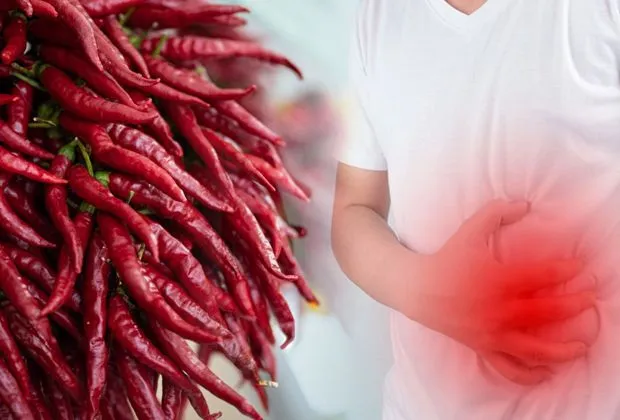
QuickCheck: Does eating chillies or spicy food really cause gastric ulcers?
Admin
Apr 13, 2026
1 Views
2 min read
Source:
The Star