Indigenous leaders have strongly condemned what they describe as "orchestrated booing" directed at welcome to country ceremonies during Anzac Day commemorations across Australia. The incidents, which saw participants booed as they delivered acknowledgments of country, have been met with widespread outrage and calls for accountability. Prominent figures within Indigenous communities have voiced their deep disappointment and anger, emphasizing that such disrespectful behavior undermines the spirit of reconciliation and national unity that Anzac Day is meant to represent.
Uncle Jack Pearson, a respected army captain and Indigenous elder, articulated the sentiment of many when he stated that the heckling was "not in the Anzac spirit." His words highlight the profound disconnect between the actions of those who engaged in the booing and the core values of respect, remembrance, and mateship that are central to the Anzac legacy. The welcome to country is a traditional practice where Indigenous elders acknowledge the traditional owners of the land and their ongoing connection to it. It is a gesture of respect and an integral part of many significant national events.
The booing incidents reportedly occurred in major cities including Sydney, Melbourne, and Perth, indicating a coordinated or at least a widespread manifestation of disrespect. Indigenous leaders have characterized this behavior as a form of "racism," with one leader likening it to a "cancer" that needs to be eradicated from society. This strong language reflects the deep hurt and offense caused by these actions, which are seen as a direct attack on Indigenous culture and identity.
These events have sparked a broader conversation about the ongoing challenges of racism and reconciliation in Australia. While Anzac Day is a day of solemn remembrance for fallen soldiers and veterans, it also serves as a reminder of the nation's complex history, including the dispossession and mistreatment of Indigenous peoples. The booing is viewed by many as a symptom of unresolved historical grievances and a persistent undercurrent of prejudice. Indigenous leaders are urging for greater understanding, education, and a genuine commitment to addressing systemic racism to ensure that such incidents are not repeated. They are calling for a national dialogue that fosters respect for all Australians, acknowledging the contributions and the enduring presence of Indigenous peoples on their ancestral lands.
'Racism is a cancer': Indigenous leaders condemn orchestrated booing at Anzac Day ceremonies
Admin
1 Views
2 min read
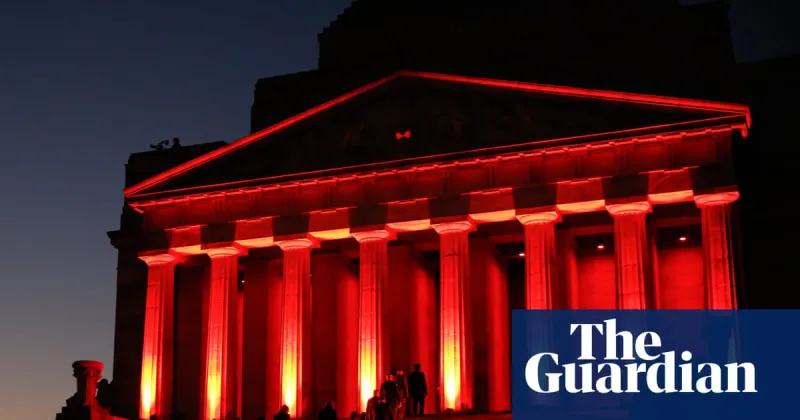
Source:
The Guardian