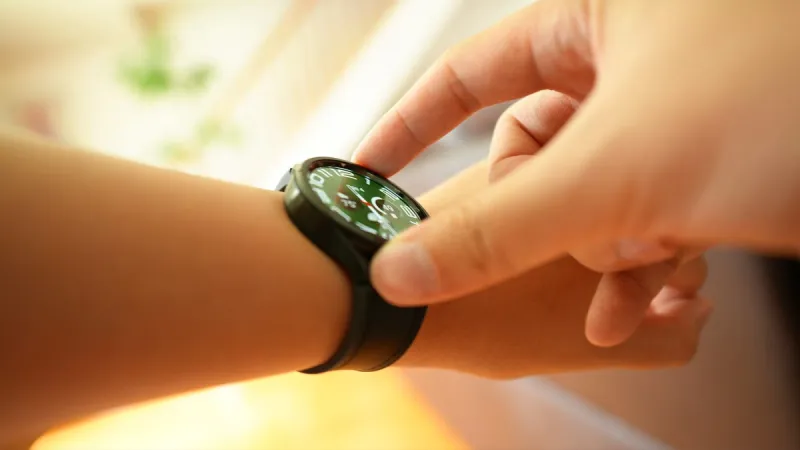
The prospect of wearable technology offering life-saving insights is increasingly becoming a reality, and Samsung's latest advancements in their smartwatch line are hinting at a significant stride in this direction. A recent report suggests that Samsung watches may soon possess the capability to predict impending fainting episodes, a condition that affects a substantial portion of the population – up to 40%. This potential feature could be a game-changer for individuals who experience syncope, offering them a crucial early warning system that could prevent falls, injuries, and other serious complications.
However, as with many cutting-edge technologies, the announcement is accompanied by significant caveats. While the underlying technology might be robust, the accuracy and reliability of such a predictive system are paramount. Fainting can be triggered by a multitude of factors, including dehydration, low blood sugar, sudden changes in posture, and underlying medical conditions. For a smartwatch to accurately distinguish between a minor dizzy spell and a genuine pre-fainting scenario requires sophisticated algorithms and extensive data analysis. The potential for false positives, where the watch alerts the user unnecessarily, or false negatives, where it fails to detect an impending episode, raises concerns about user trust and the practical application of this feature.
The success of this feature will heavily depend on the sensors integrated into the watch and the algorithms that interpret the data. Heart rate variability, blood pressure fluctuations, and even subtle changes in skin conductivity are all potential indicators that a smartwatch could monitor. The challenge lies in correlating these physiological signals with the specific physiological cascade that leads to fainting. Furthermore, the user's medical history and individual physiological responses will play a crucial role. A personalized approach to the predictive model might be necessary to achieve a high degree of accuracy.
Beyond the technical hurdles, there are also ethical and privacy considerations. The continuous monitoring of physiological data raises questions about data security and how this sensitive information will be used. Moreover, the responsibility that comes with such a powerful predictive tool needs careful consideration. How will users be trained to interpret the alerts? What actions should they take upon receiving a warning? The integration of this feature into a smartwatch ecosystem requires a holistic approach that addresses not only the technological feasibility but also the user experience, safety, and broader societal implications. While the promise of a fainting predictor is exciting, the journey from concept to a reliable, widely adopted feature will undoubtedly involve overcoming substantial challenges.
Samsung watches can predict if you're about to faint - but there are big caveats
Admin
2 Views
3 min read
Source:
ZDNET