The intricate web of life in aquatic environments extends far beyond the visible creatures that inhabit our lakes and rivers. A recent study focusing on the Sea of Galilee has shed light on a hidden realm of biodiversity: the diverse world of parasites residing within fish populations. These often-overlooked organisms play a crucial role in shaping the health and dynamics of these ecosystems, and scientists are increasingly recognizing their significance.
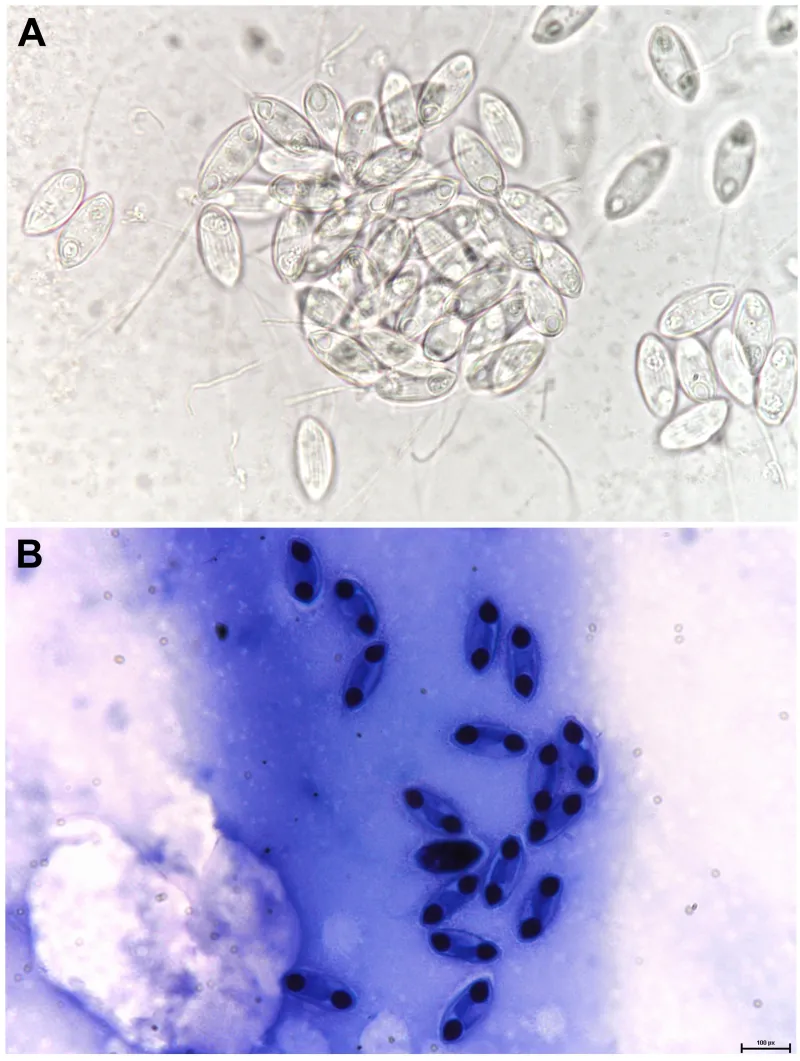
The research specifically targeted barb fish, a common species found in the Sea of Galilee. By employing advanced diagnostic techniques, scientists were able to identify a surprising variety of parasitic species that had previously gone undocumented. This discovery underscores the vastness of undiscovered biodiversity, even in well-studied environments.
Parasites, despite their often negative connotations, are integral components of ecological systems. They can influence the behavior, physiology, and survival rates of their hosts, thereby impacting entire food webs. For instance, the presence of certain parasites can weaken fish populations, making them more susceptible to disease or predation. Conversely, some parasites can even enhance the reproductive success of their hosts under specific circumstances, demonstrating a complex and often counterintuitive relationship.
The Sea of Galilee, a vital freshwater source and a region with significant ecological and economic importance, serves as a critical habitat for numerous species. Understanding the parasite fauna within its fish populations is not merely an academic exercise. It has direct implications for fisheries management, conservation efforts, and the overall health of the aquatic ecosystem. The presence of a diverse parasite community can indicate a robust and balanced ecosystem, but it can also signal potential vulnerabilities if certain parasites become overly dominant or pathogenic.
This study highlights the need for continued research into the microscopic inhabitants of our planet. As scientists delve deeper into these unseen worlds, they are uncovering complex interactions that are fundamental to the functioning of ecosystems. The findings from the Sea of Galilee serve as a reminder that biodiversity is not just about the charismatic megafauna, but also about the countless microscopic organisms that form the foundation of life on Earth. Further investigations into the life cycles, host-parasite relationships, and ecological impacts of these newly identified parasites are now warranted to fully appreciate their role in this iconic Israeli lake.
Scientists uncover hidden parasite diversity in barb fish from the Sea of Galilee
Admin
3 Views
2 min read
Source:
Phys.org