Senegal: Between Democratic Consolidation and Political Instability
Admin
6 Views
2 min read
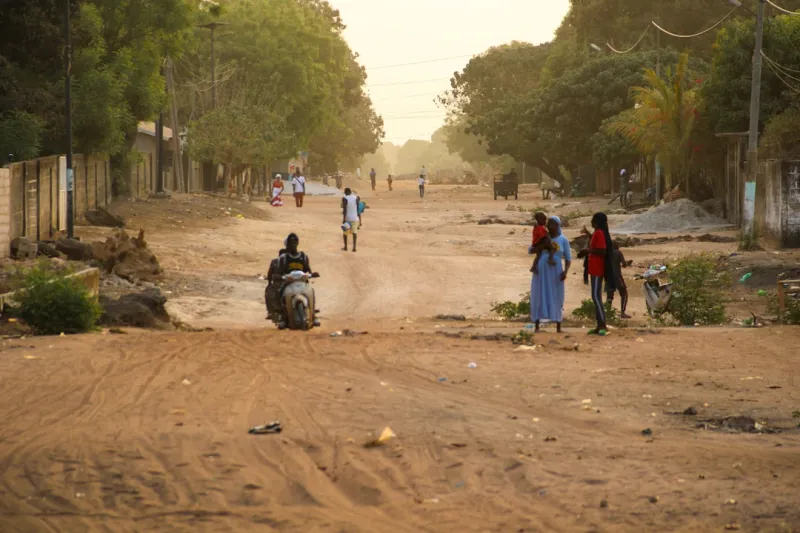
Senegal, a nation often lauded as a beacon of stability in West Africa, is currently navigating a complex political terrain marked by a persistent tension between democratic consolidation and recurring episodes of political instability. The recent elections have brought this delicate balance into sharp focus, prompting a deeper examination of the country's trajectory. For decades, Senegal has prided itself on its democratic credentials, characterized by regular, generally peaceful transitions of power and a vibrant civil society. This has led many observers to view it as an exception to the political turbulence that has plagued many of its neighbors. However, this perception of unwavering stability has been challenged by recent events. The electoral process, while ultimately concluding with a declared winner, was preceded by a period of heightened political tension, protests, and legal challenges. These events have raised questions about the robustness of its democratic institutions and the underlying societal pressures that can erupt into instability. The article explores the historical context of Senegal's political development, tracing the evolution of its democratic framework and identifying the factors that have contributed to both its successes and its vulnerabilities. It scrutinizes the role of key political actors, the influence of socio-economic factors, and the impact of regional dynamics on the nation's stability. The recent elections serve as a critical case study, revealing the intricate interplay between the desire for democratic progress and the forces that threaten to undermine it. Understanding Senegal's journey is crucial not only for appreciating its unique political context but also for drawing broader lessons about the challenges and opportunities inherent in democratic transitions in diverse geopolitical settings. The interplay between the aspirations for deeper democratic governance and the ever-present risk of political upheaval makes Senegal's story a compelling and important one for contemporary political analysis.
Source:
Democracy in Africa