Southeast Asia looks beyond oil and gas
Admin
1 Views
2 min read
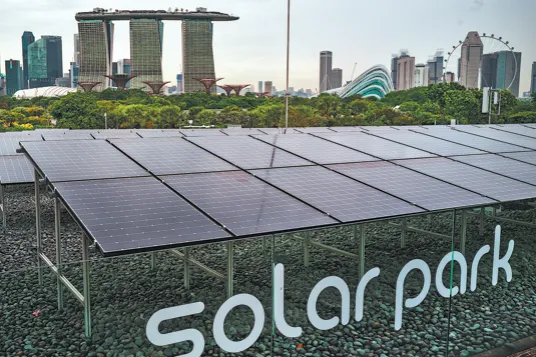
Southeast Asian nations are increasingly exploring avenues beyond traditional fossil fuels, with a potential acceleration of nuclear energy adoption being a significant development, according to experts. The ongoing geopolitical tensions, particularly the war in Iran, are cited as a catalyst that could push the region to expedite its plans to diversify its energy sources away from a heavy reliance on Middle Eastern oil and gas. This strategic shift is driven by a desire for greater energy security and a recognition of the volatile nature of global energy markets, which are susceptible to disruption by regional conflicts and political instability. For years, many Southeast Asian economies have been significant importers of oil and gas, primarily from the Middle East, making them vulnerable to price fluctuations and supply chain interruptions. The current climate, exacerbated by the conflict in Iran, has amplified these concerns, prompting a more urgent re-evaluation of long-term energy strategies. Nuclear energy, while historically viewed with caution in some parts of the region due to safety and waste disposal concerns, is now being reconsidered as a viable and potentially cleaner alternative. Experts suggest that the perceived risks associated with nuclear power are being weighed against the immediate risks of continued dependence on volatile fossil fuel markets. The development of nuclear energy infrastructure is a complex and capital-intensive undertaking, requiring significant investment in technology, safety protocols, and skilled personnel. However, proponents argue that the long-term benefits, including stable energy supply and reduced carbon emissions, outweigh these challenges. Countries like Vietnam and Indonesia have previously expressed interest in nuclear power, and the current geopolitical climate may provide the impetus needed to move these plans forward. The reliance on Middle Eastern oil and gas has long been a cornerstone of energy policy for many nations in Southeast Asia, but the recent global events are forcing a fundamental reassessment. The push towards nuclear energy signifies a broader trend of energy transition in the region, which also includes a growing investment in renewable sources like solar and wind power. However, nuclear energy offers a unique advantage in terms of baseload power generation, providing a consistent and reliable energy supply that complements intermittent renewable sources. The experts' insights, as reported by The Straits Times, highlight the critical juncture at which Southeast Asia finds itself, balancing economic development with the imperative of securing a sustainable and stable energy future.
Source:
China Daily