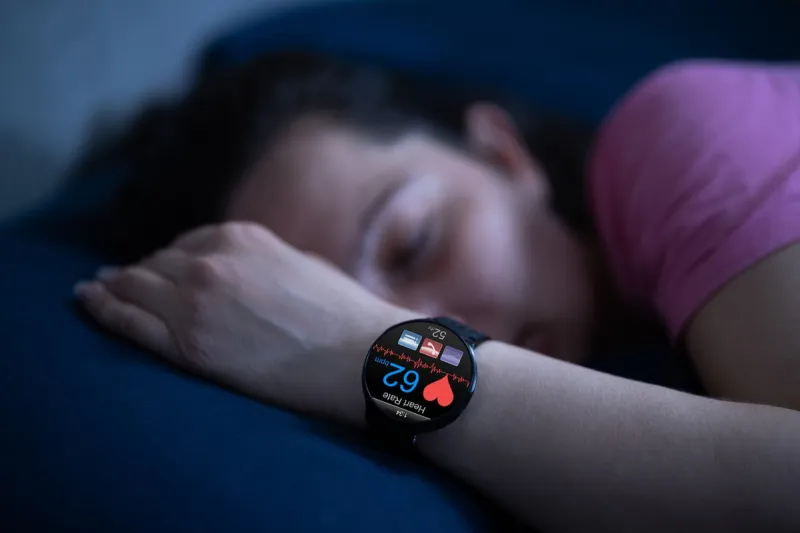
In an era where personal health and wellness are increasingly monitored through wearable technology, a recent study has shed light on a significant drawback associated with fitness trackers. While these devices are designed to motivate users and provide insights into their physical activity, sleep patterns, and even heart rate, researchers have identified a critical issue: the potential for an overly narrow focus on quantifiable metrics, which can inadvertently lead to a less holistic approach to overall well-being. The study suggests that the constant emphasis on numbers – steps taken, calories burned, minutes of exercise – can sometimes overshadow other crucial aspects of health, such as mental well-being, social connections, and stress management.
The core of the problem, as identified by the researchers, lies in the way many fitness tracking apps are designed. They tend to prioritize data points that are easily measurable and presentable, leading users to concentrate their efforts on achieving specific numerical targets. While this can be motivating for some, it can also create a sense of failure or inadequacy if those targets are not consistently met, or if the focus on metrics leads to neglecting other vital components of a healthy lifestyle. For instance, someone might be diligently meeting their step count goals but neglecting their sleep quality or social interactions, both of which are essential for true wellness. The study posits that this fragmented view of health can be detrimental, potentially leading to burnout or an unhealthy obsession with data rather than a genuine appreciation for overall health.
Furthermore, the researchers argue that the current landscape of fitness apps often lacks a comprehensive understanding of wellness. True well-being encompasses a much broader spectrum than just physical activity and calorie expenditure. It includes mental resilience, emotional balance, adequate rest, meaningful relationships, and a sense of purpose. By solely focusing on a limited set of quantifiable data, these apps risk presenting an incomplete picture of an individual's health, potentially leading users down a path of imbalance. The study's findings underscore the need for a paradigm shift in how fitness trackers and their accompanying applications approach user engagement.
Instead of solely pushing users to achieve arbitrary numerical goals, the study advocates for a more integrated and personalized approach. This would involve incorporating a wider range of wellness indicators, such as mood tracking, mindfulness exercises, or even prompts for social connection. The goal is to encourage users to develop a more balanced and sustainable relationship with their health, recognizing that well-being is a multifaceted construct. By fostering a more holistic perspective, fitness trackers can evolve from mere data-collection devices into powerful tools that support comprehensive personal growth and lasting health, moving beyond the simple pursuit of numbers to embrace a richer understanding of what it truly means to be well.
Study identifies the major downside of wearing a fitness tracker
Admin
1 Views
3 min read
Source:
The Independent