Supermarkets urged to absorb more price increases from Iran conflict
Admin
1 Views
2 min read
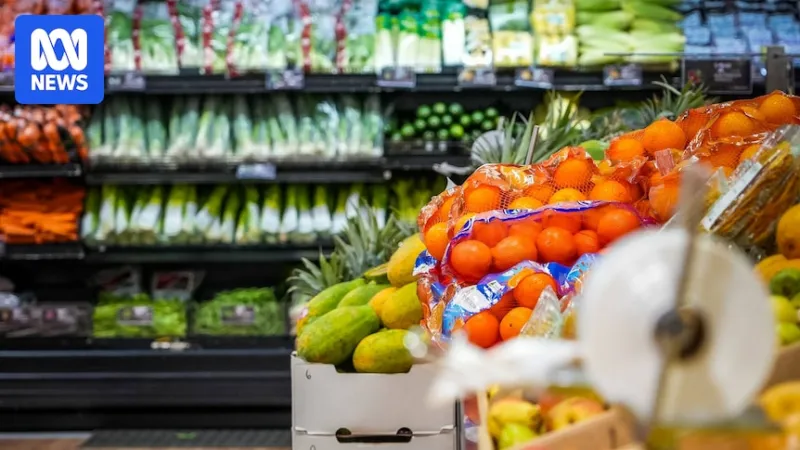
The escalating conflict in Iran is sending ripples through global supply chains, with significant implications for food prices and agricultural production. In Australia, supermarkets are facing increasing pressure to absorb a larger portion of these rising costs, rather than passing the full burden onto consumers. This call comes amidst growing concerns about food affordability and the potential impact on household budgets, particularly for vulnerable populations. The conflict's influence on global energy markets, a key component in agricultural inputs like fertilizers and transportation, is a primary driver of these price hikes. Furthermore, disruptions to trade routes and potential impacts on agricultural output from the region are contributing to the upward pressure on commodity prices. Industry experts and consumer advocacy groups are emphasizing the role of supermarkets in mitigating the impact on everyday Australians. They argue that large retail chains, with their significant profit margins, are better positioned to absorb some of the increased costs without jeopardizing their own financial stability. The suggestion is that a slight reduction in profit margins for supermarkets could provide much-needed relief to consumers struggling with the rising cost of living. However, the situation is complex. Supermarkets themselves are contending with their own escalating operational expenses, including increased wages, energy costs, and the price of sourcing goods. They also face pressure from their suppliers, who are also experiencing the same cost pressures. The debate highlights a delicate balancing act between ensuring business viability and maintaining consumer access to affordable food. The Australian government and other stakeholders are monitoring the situation closely. Discussions are likely to involve exploring potential government support measures, such as targeted subsidies or incentives for agricultural producers, and engaging with supermarket chains to find mutually agreeable solutions. The ultimate goal is to prevent a scenario where essential food items become prohibitively expensive for a significant portion of the population, thereby safeguarding food security and economic stability.