The constitutional challenge: Addressing the architecture of the Indonesian military’s impunity
Admin
1 Views
2 min read
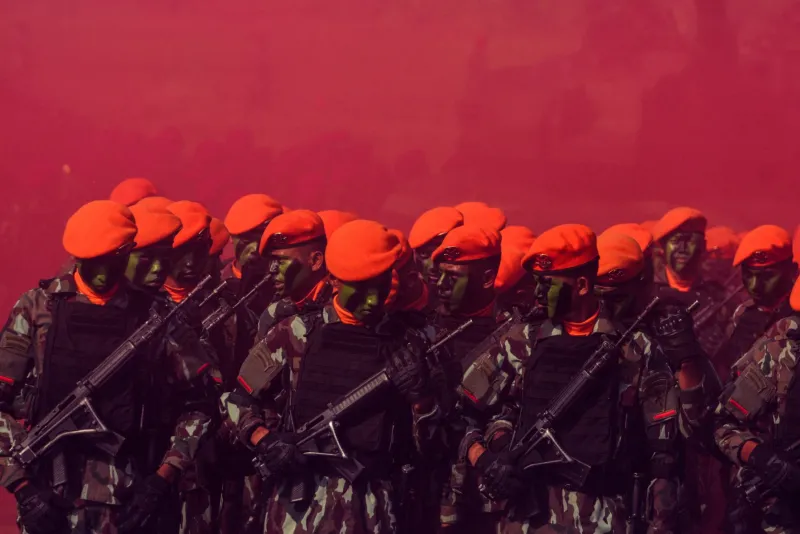
A critical analysis of the Indonesian military's persistent impunity reveals a deeply entrenched 'architecture of impunity' that undermines the rule of law and democratic accountability. The article argues that this systemic issue transforms personal grievances and potential misconduct by military personnel into institutional shields, effectively allowing individuals within the TNI (Tentara Nasional Indonesia) to evade civilian justice. This is achieved through a combination of exploiting legislative loopholes and the military's expanding influence into civil governance, a phenomenon that poses a significant threat to the constitutional safeguards designed to uphold democratic principles. The writer elaborates on how this 'architecture' operates, suggesting it's not merely a series of isolated incidents but a deliberate, structural mechanism. By leveraging their unique position and historical influence, military members can often sidestep standard legal processes that would apply to ordinary citizens. This creates a dual system of justice, where military personnel are afforded a level of protection that shields them from scrutiny and consequences. The expansion into civil governance is particularly concerning, as it blurs the lines between military authority and civilian administration. When the military becomes involved in areas traditionally managed by civilian bodies, it can lead to a concentration of power and a diminished capacity for civilian oversight. This encroachment can manifest in various ways, from economic activities to involvement in political processes, further solidifying the military's autonomy and reducing the effectiveness of democratic institutions. The article stresses that this situation directly challenges the very foundation of Indonesia's constitutional framework, which is intended to establish clear lines of authority and ensure that all citizens, including those in uniform, are subject to the law. The erosion of these constitutional safeguards risks creating a state where the military operates with a degree of impunity that is incompatible with a functioning democracy. The writer's call to address this 'architecture' implies a need for comprehensive legal and institutional reforms. These reforms would likely involve strengthening civilian oversight mechanisms, closing legislative loopholes that facilitate impunity, and potentially reassessing the military's role in civil society. Failure to confront this issue, the article warns, could lead to a further weakening of democratic institutions and a perpetual cycle of unaccountability, thereby jeopardizing the nation's commitment to justice and good governance. The piece serves as a stark reminder of the ongoing struggle to balance national security needs with the imperative of civilian control and the rule of law in Indonesia.
Source:
Asia News Network