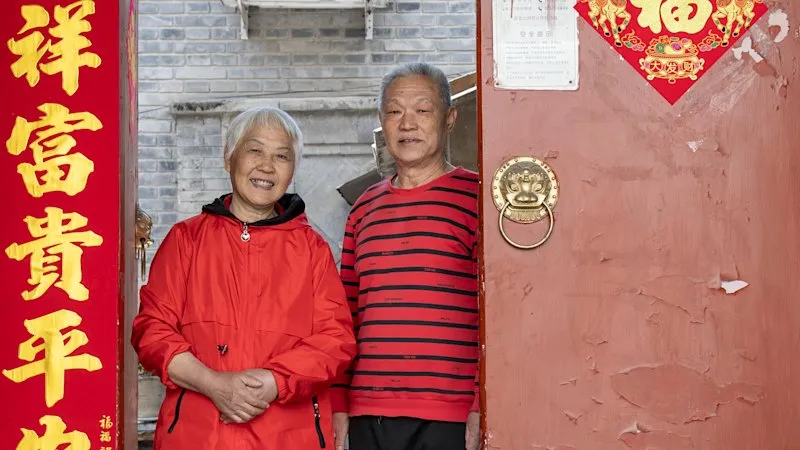
Beijing's historic hutongs, a labyrinth of narrow alleyways lined with traditional courtyard homes, are undergoing a profound transformation. The article "The hidden life in Beijing’s hutongs" offers a poignant glimpse into the lives of residents who continue to inhabit these rapidly gentrifying districts. Individuals like Ma Peizeng and his wife represent a generation that has built "modest lives in tiny spaces," deeply embedded within the unique social fabric of these old neighborhoods. Their existence is characterized by a reliance on "communal courtyards and public bathrooms," a stark contrast to the modern amenities enjoyed by many in the sprawling metropolis.
The narrative highlights the resilience and adaptability of these residents amidst rapid urbanization and economic development. As Beijing has "gentrified around them," these families have often found themselves in precarious situations, facing challenges related to housing security, access to modern infrastructure, and the preservation of their traditional way of life. The "hidden life" refers not only to the physical spaces within the hutongs but also to the enduring human connections and community spirit that persist despite the encroaching modernity.
The sharing of resources like courtyards and bathrooms is a hallmark of hutong living, fostering a sense of close-knit community and interdependence. Neighbors often know each other intimately, sharing daily routines, offering mutual support, and participating in collective activities. This communal living, while perhaps appearing spartan to outsiders, holds significant cultural and social value for those who call the hutongs home. It embodies a different model of urban living, one that prioritizes human interaction and shared experience over individualistic pursuits.
However, the process of gentrification poses a significant threat to this way of life. Rising property values and redevelopment pressures can lead to displacement, forcing long-term residents to move out in search of more affordable housing. The preservation of the hutongs, therefore, becomes a complex issue, balancing the need for urban renewal and economic growth with the imperative to protect cultural heritage and the rights of existing residents. The stories of people like Ma Peizeng and his wife serve as a reminder of the human cost of urban development and the importance of inclusive planning that respects the diverse needs and aspirations of all city dwellers. The "hidden life" in the hutongs is a testament to the enduring human spirit and the power of community in the face of profound change.
The hidden life in Beijing’s hutongs
Admin
Apr 12, 2026
3 Views
2 min read
Source:
The Age


