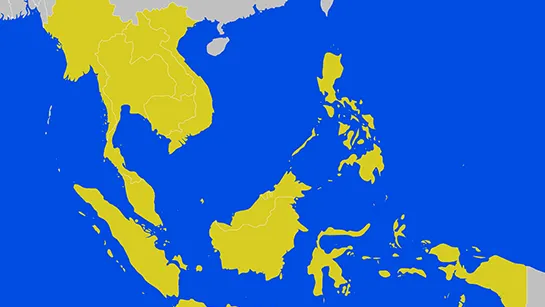
At the 48th ASEAN Summit Retreat held in Cebu on May 8th, Philippine President Ferdinand Marcos Jr. made a strong appeal to fellow bloc members for enhanced regional energy security and resilience. The summit, a crucial platform for dialogue and cooperation among Southeast Asian nations, provided the backdrop for President Marcos Jr.'s call to action on an issue of paramount importance to the region's stability and economic prosperity. In his opening remarks, the Philippine leader underscored the growing interconnectedness of the region and the shared vulnerabilities to energy supply disruptions, price volatility, and the impacts of climate change. He emphasized that a cohesive and robust energy strategy is not merely an economic imperative but also a cornerstone of national and collective security.
President Marcos Jr.'s call for "regional energy security and resilience" signifies a proactive approach to addressing the multifaceted challenges facing the energy sector in Southeast Asia. This includes not only ensuring a stable and affordable supply of traditional energy sources but also accelerating the transition towards sustainable and renewable energy alternatives. The Philippines, like many of its ASEAN neighbors, is heavily reliant on imported fossil fuels, making it susceptible to global market fluctuations and geopolitical uncertainties. Therefore, the President's emphasis on resilience suggests a need to diversify energy sources, invest in domestic production where feasible, and strengthen infrastructure to withstand potential shocks.
The concept of "resilience" in this context likely encompasses a broader spectrum of measures, including the development of smart grids, the promotion of energy efficiency, and the establishment of emergency response mechanisms to mitigate the impact of natural disasters or supply chain disruptions. Furthermore, it points towards a collective effort to foster innovation and technological advancements in the energy sector, enabling the region to adapt to evolving energy landscapes and embrace cleaner technologies. The summit serves as a vital forum for ASEAN members to deliberate on these critical issues, forge common strategies, and mobilize resources to achieve their shared energy goals. The Philippines' proactive stance at the summit signals its commitment to playing a leading role in shaping a more secure and sustainable energy future for the entire ASEAN region.
The Philippines calls for "regional energy security and resilience" at ASEAN Summit
Admin
2 Views
2 min read
Source:
Asia Insurance Review