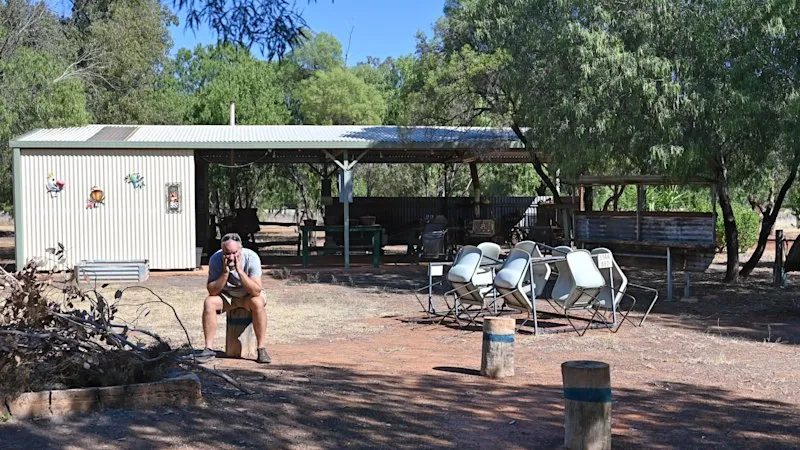
A recent warning from the Prime Minister regarding potential fuel shortages has cast a dark shadow over the already fragile tourism industry in Australia's outback. Business owners in remote regions are expressing deep concern, fearing that the perception of impending fuel scarcity will deter visitors, leading to devastating economic consequences. Kylie Rixon, the owner of a caravan park in Mount Isa, Queensland, voiced her frustration and confusion, stating, "You know what we’ve got? Heaps of fuel." Her comment highlights the disconnect between the national-level warnings and the on-the-ground reality for many outback communities, which are heavily reliant on road travel and readily accessible fuel supplies.
The outback, with its vast landscapes and unique attractions, draws tourists seeking adventure and an escape from urban life. However, these journeys often involve long distances between towns, making fuel availability a critical factor for travelers. The Prime Minister's pronouncements, whether intended to prepare the public for potential disruptions or to encourage conservation, are being interpreted by many as a direct threat to their livelihoods. Caravan park operators, tour guides, and local businesses in these remote areas are already grappling with the aftermath of various economic challenges, and the prospect of a significant drop in tourism due to fuel fears is a daunting one.
Local tourism operators argue that such warnings, especially when amplified by media coverage, create a self-fulfilling prophecy. Potential visitors, hearing about possible fuel shortages, may opt for destinations closer to major cities or postpone their trips altogether. This fear-driven decision-making process can lead to a sharp decline in bookings and revenue, pushing already struggling businesses to the brink. The 'roadhouses' and service stations that dot the vast distances of the outback are not just places to refuel; they are vital hubs for travelers, offering amenities, information, and a sense of safety. A reduction in traffic will directly impact their viability.
Furthermore, the argument is being made that the government's communication strategy needs to be more nuanced. While acknowledging the need for preparedness, it's crucial to avoid language that could unnecessarily alarm the public and damage specific sectors. For the outback tourism industry, which is already a niche market, such warnings can be particularly damaging. The hope among these business owners is that the government will provide clearer guidance and reassurance, or perhaps targeted support, to mitigate the negative impact of these fuel-related concerns and allow the vital outback tourism sector to recover and thrive.
‘The roads are dead’: PM’s fuel warning doomed outback tourism
Admin
1 Views
3 min read
Source:
Brisbane Times