The conflict involving the United States and Israel against Iran, as detailed by Fulcrum.sg, has starkly illuminated the inherent vulnerabilities of Southeast Asian nations concerning their energy supplies. This geopolitical event, far removed geographically, has direct and significant implications for a region heavily reliant on global energy markets. The war's impact underscores that energy security is not solely a domestic concern but is deeply intertwined with international stability.
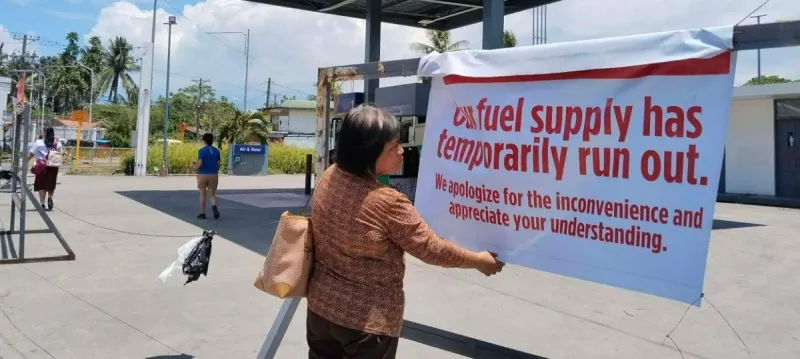
The report highlights that Southeast Asia's responses to such disruptions have historically been "stopgap measures." This implies a reliance on short-term fixes, such as drawing from strategic reserves, seeking alternative suppliers on an urgent basis, or implementing temporary demand-management strategies. While these measures can provide immediate relief, they are not sustainable solutions for long-term energy resilience. The fragility lies in the fact that these responses are reactive rather than proactive, leaving the region exposed to the volatility of global energy prices and supply disruptions.
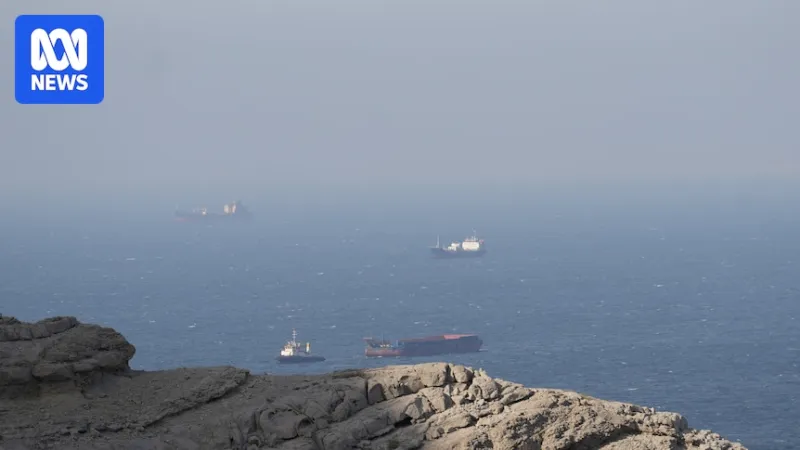
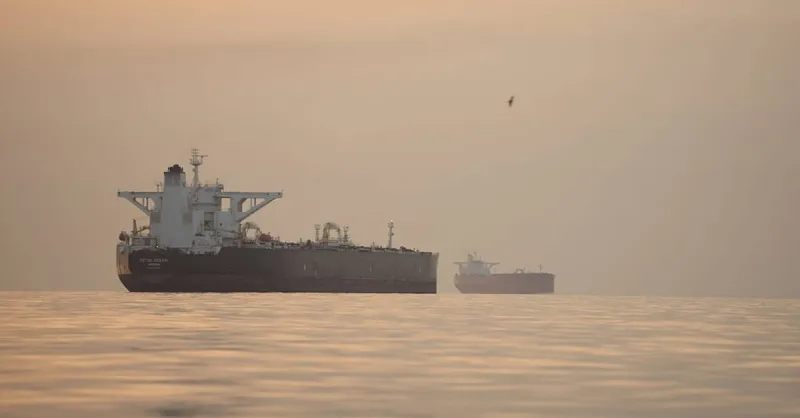
The war against Iran, whether it directly impacts oil production or shipping routes in the Persian Gulf, has the potential to send shockwaves through the energy markets. Southeast Asian economies, many of which are developing and heavily industrialized, are particularly susceptible to fluctuations in oil and gas prices. Increased energy costs can fuel inflation, slow economic growth, and strain government budgets.
Fulcrum.sg argues for a shift in perspective, urging regional countries to "think beyond stopgap measures." This calls for a strategic re-evaluation of energy policies. Such a re-evaluation should include investing in diversified energy sources, with a greater emphasis on renewables like solar and wind power, which are less susceptible to geopolitical conflicts. It also means enhancing energy efficiency across all sectors of the economy and investing in robust energy infrastructure that can withstand external shocks.
Furthermore, regional cooperation among Southeast Asian nations is crucial. By pooling resources, sharing best practices, and coordinating energy policies, the region can build a more collective and resilient energy security framework. This could involve joint investments in energy infrastructure, collaborative research and development of clean energy technologies, and coordinated diplomatic efforts to ensure stable energy flows. The war against Iran serves as a wake-up call, compelling Southeast Asia to move from a reactive stance to a proactive and strategic approach to energy security.
The War Against Iran and the Fragility of Southeast Asia’s Energy Responses
Admin
4 Views
2 min read
Source:
fulcrum.sg