In a significant breakthrough in the fight against infectious diseases, a Malaysian-developed anti-infective technology is making waves for its remarkable selectivity. This patented innovation possesses the unique ability to target and eliminate harmful bacteria, including antibiotic-resistant strains, while crucially preserving the beneficial bacteria that are essential for human health. The development, spearheaded by researchers in Malaysia, addresses a major limitation of many current antimicrobial treatments, which often indiscriminately kill both pathogenic and commensal microorganisms. This collateral damage can lead to a disruption of the body's natural microbial balance, known as dysbiosis, potentially resulting in secondary infections, digestive issues, and weakened immune function.
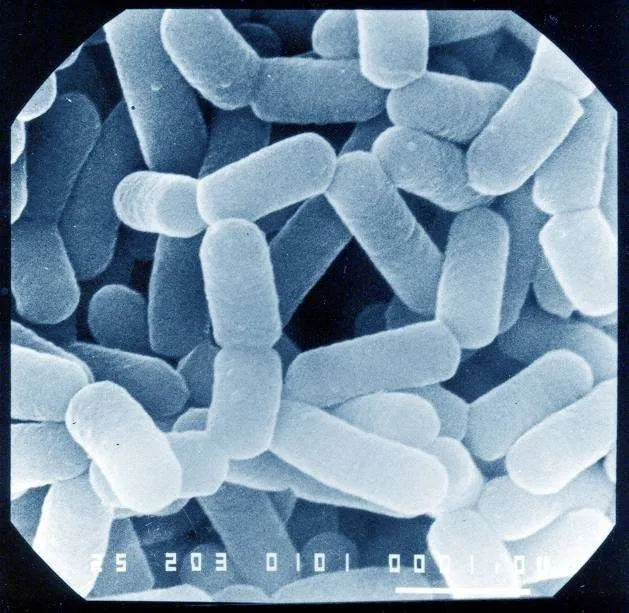
The technology, whose specifics are detailed in its patent, operates on a principle that distinguishes between the molecular or cellular characteristics of harmful and beneficial bacteria. This precision allows it to act as a highly targeted therapeutic agent. For instance, it might exploit differences in cell wall composition, metabolic pathways, or surface proteins unique to pathogenic bacteria. By focusing its action only on these specific targets, the technology ensures that the vast ecosystem of beneficial bacteria, such as those found in the gut microbiome, remains intact and functional. This preservation is vital, as these good bacteria play critical roles in nutrient absorption, vitamin synthesis, immune system modulation, and protection against invading pathogens. The potential applications of this selective anti-infective technology are broad, ranging from novel treatments for infections in hospitals to improved probiotics and even enhanced food preservation methods. Its development represents a promising step towards more sophisticated and less disruptive approaches to combating bacterial threats, offering a much-needed alternative in an era of escalating antimicrobial resistance.
This selective killer eliminates bad bacteria, but saves the good
Admin
4 Views
2 min read
Source:
The Star