US begins Philippines war games in thick of Middle East conflict
Admin
1 Views
2 min read
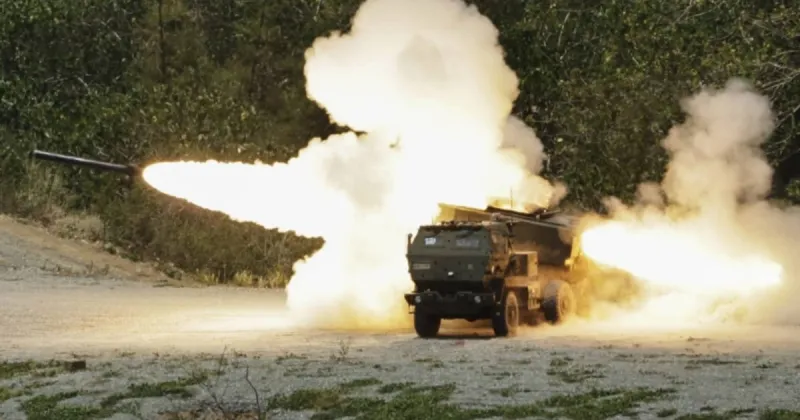
The United States has commenced significant war games in the Philippines, a move that underscores its strategic pivot towards the Indo-Pacific even as the Middle East remains a focal point of global conflict. These large-scale drills, featuring live-fire exercises, are strategically positioned in the northern Philippines, directly facing the Taiwan Strait, and also extend to a province bordering the disputed South China Sea. This dual focus highlights the US's commitment to reinforcing its presence and capabilities in a region rife with geopolitical tensions, particularly concerning China's assertive actions. The timing of these exercises is noteworthy, occurring while significant diplomatic efforts are underway, or attempting to be underway, to de-escalate tensions in the Middle East. This juxtaposition raises questions about resource allocation and strategic priorities. While the US maintains its engagement in the Middle East, its simultaneous decision to conduct extensive military drills in the Philippines signals a clear intention to project power and deter potential adversaries in the Indo-Pacific. The proximity to the Taiwan Strait is particularly sensitive, given the ongoing cross-strait tensions between mainland China and Taiwan. The exercises in the South China Sea also point to the US's continued involvement in maritime security and its support for freedom of navigation in waters claimed by multiple nations. These drills are designed to enhance interoperability between US and Philippine forces, as well as to test and refine operational readiness. They serve as a visible demonstration of the US commitment to its alliance with the Philippines and its broader strategy of building a network of security partnerships in the region. The international community will be observing these developments closely, particularly the reactions from China and other regional players, as they contribute to the complex security dynamics of the Indo-Pacific.
Source:
Free Malaysia Today