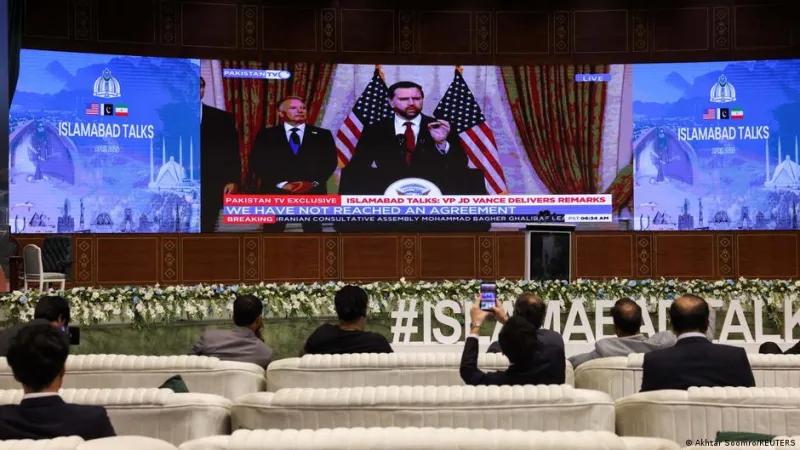
The recent 21-hour direct talks between the United States and Iran, held in Pakistan on Sunday, concluded without an agreement to end their protracted conflict. This outcome has cast a significant shadow of uncertainty over a fragile two-week ceasefire that had been in place, raising concerns about the potential for a resurgence of hostilities. The inability to secure a deal underscores the deep-seated complexities and divergent interests that continue to plague US-Iran relations, making any breakthrough a formidable challenge.
Several factors are believed to have contributed to the failure of these talks. Firstly, the fundamental disagreements on key issues, such as Iran's nuclear program and its regional activities, remain largely unaddressed. The US has consistently demanded verifiable assurances that Iran will not develop nuclear weapons, while Iran maintains that its nuclear program is solely for peaceful purposes. The extent of sanctions relief the US is willing to offer in exchange for Iranian concessions is another major sticking point. Iran seeks a comprehensive lifting of sanctions that have crippled its economy, whereas the US is cautious about providing such broad relief without concrete and lasting changes in Iranian behavior.
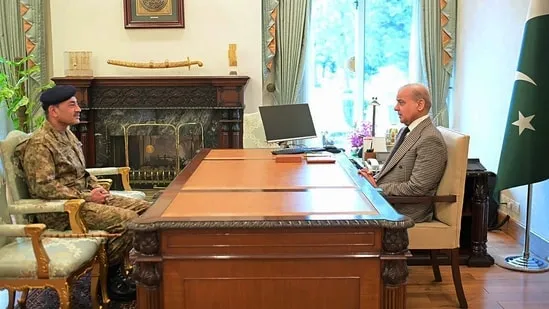
Secondly, the geopolitical landscape surrounding the talks likely played a role. The involvement of Pakistan as a mediator, while a positive step towards de-escalation, did not appear to be enough to bridge the vast chasm between the two nations. The broader regional dynamics, including the influence of other Middle Eastern powers and the ongoing conflicts in the region, add further layers of complexity. Any agreement would need to consider the security concerns of US allies in the region, which Iran often views as a threat.
Looking ahead, the failure to reach a deal means the fragile ceasefire remains under threat. The absence of a diplomatic resolution could lead to an escalation of tensions, potentially jeopardizing regional stability. The international community will be closely watching to see if either side makes further overtures or if the current stalemate persists. The path forward is uncertain, with the possibility of renewed diplomatic efforts, albeit with potentially altered strategies and a greater emphasis on incremental confidence-building measures. However, without a significant shift in the core positions of both Washington and Tehran, achieving a lasting peace remains an uphill battle.
US-Iran talks: What prevented a deal and what's next?
Admin
Apr 13, 2026
2 Views
2 min read
Source:
DW.com