US won’t renew sanctions waiver on Russian, Iranian oil: What it means for India
Admin
3 Views
2 min read
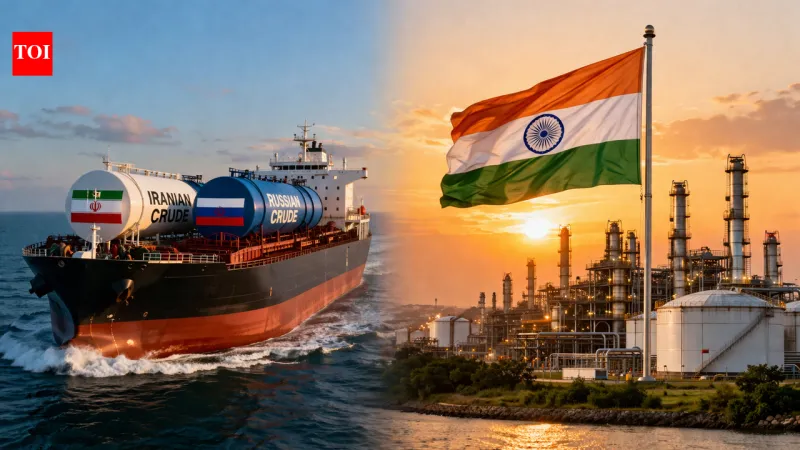
The United States' decision not to renew the temporary waiver that permitted the sale of Russian and Iranian oil already in transit marks a significant shift in global energy policy with notable implications for India. This waiver, which had provided a temporary reprieve, allowed countries to purchase oil that had been loaded onto tankers before sanctions fully took effect. By allowing these sales to conclude, the U.S. aimed to prevent sudden market shocks and supply disruptions. However, the non-renewal of this waiver signals a firmer stance against countries seeking to circumvent sanctions through oil exports. For India, a nation heavily reliant on oil imports to fuel its economic growth, this development presents a complex challenge. India has historically been a significant buyer of Iranian oil, attracted by its competitive pricing and strategic importance. It has also increased its purchases of Russian oil, especially following the imposition of sanctions on Russia by Western countries, as these offered attractive discounts. The cessation of the waiver means that India will have to find alternative sources for a portion of its energy needs, or face potential price increases if it continues to procure sanctioned oil, which would carry its own set of risks and complications. The decision could lead to increased competition for available non-sanctioned crude, potentially driving up global oil prices. This would directly impact India's import bill, straining its foreign exchange reserves and potentially contributing to domestic inflation. Furthermore, India's strategic relationships with both Russia and Iran are at play. While the U.S. is a key strategic partner, India also maintains strong ties with Moscow and Tehran. Navigating these relationships while adhering to international sanctions regimes will require delicate diplomatic maneuvering. The Indian government will need to carefully assess its options, weighing the economic consequences of reduced oil imports against the potential geopolitical repercussions of defying U.S. sanctions. This situation underscores the intricate geopolitical landscape of energy markets and the challenges faced by nations in balancing their economic interests with international political pressures.
Source:
The Times of India