War and Sanctions Accelerate China’s Currency Push
Admin
1 Views
2 min read
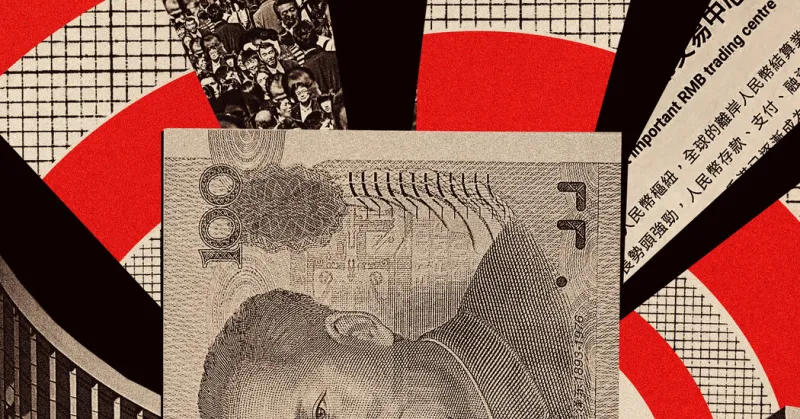
The geopolitical landscape, marked by ongoing conflicts and the widespread imposition of international sanctions, is significantly accelerating China's long-standing ambition to establish a financial system less reliant on the U.S. dollar. This strategic push, centered around the renminbi (RMB), is gaining considerable traction as nations seek alternative avenues to conduct international trade and finance, thereby sidestepping the potential risks and repercussions associated with U.S. dollar dominance. The efficacy of sanctions as a foreign policy tool has prompted many countries, particularly those subject to or wary of such measures, to diversify their currency holdings and transaction mechanisms. China, with its immense economic influence and a desire to project greater global financial power, is strategically positioning the renminbi as a viable alternative. This involves promoting its use in bilateral trade agreements, encouraging its acceptance in international markets, and developing offshore renminbi hubs. The war in Ukraine, and the subsequent severe sanctions imposed on Russia, served as a stark reminder of the vulnerability of economies heavily integrated with the U.S. financial system. This event, in particular, has catalyzed discussions and actions among nations looking to reduce their dependence on the dollar. For China, this presents a dual opportunity: to bolster its own economic security by reducing its exposure to potential U.S. financial actions and to enhance the global standing and utility of its own currency. The development is not merely about circumventing sanctions; it's a broader strategic move towards reshaping the global financial architecture, moving away from a unipolar dollar-centric system towards a more multipolar arrangement. The implications of this shift are far-reaching, potentially affecting global trade flows, investment patterns, and the geopolitical balance of power. As more countries explore and adopt the renminbi for their international transactions, the influence of the U.S. dollar on the global stage could gradually diminish, ushering in a new era of currency dynamics.
Source:
The New York Times