What lagging jet fuel supplies could mean for airlines and travelers
Admin
1 Views
2 min read
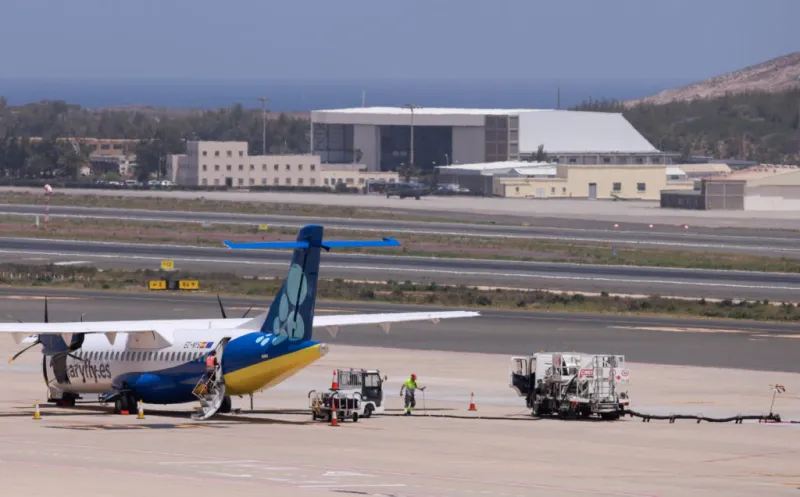
The global aviation industry is facing a potential crisis as a severe shortage of jet fuel looms in key regions like Europe and Asia. This scarcity, exacerbated by geopolitical tensions including the ongoing conflict involving Iran and the potential disruption of vital shipping lanes like the Strait of Hormuz, could have significant repercussions for airlines and travelers alike. The immediate concern is the impact on the upcoming summer travel season, a period typically characterized by high demand for air travel. If the fuel supply chain remains compromised, airlines may be forced to implement drastic measures to cope. These could include substantial increases in airfares, making travel unaffordable for many. Furthermore, flight cancellations are a distinct possibility, as carriers struggle to secure sufficient fuel to operate their planned routes. This would not only frustrate travelers who have already booked their trips but could also lead to widespread economic disruption, particularly in tourism-dependent economies. The situation highlights the intricate interconnectedness of global energy markets and international relations. The reliance on oil, a finite resource subject to volatile price fluctuations and geopolitical maneuvering, makes industries like aviation inherently vulnerable. The closure or even the threat of closure of critical chokepoints like the Strait of Hormuz, through which a significant portion of the world's oil supply passes, can send shockwaves across global markets. For airlines, the cost of fuel is a major operating expense, and any significant price hike directly impacts their profitability and operational capacity. Beyond the immediate concerns of higher prices and cancellations, the prolonged shortage could also lead to a reevaluation of airline network strategies and fleet management. Airlines might consider reducing flight frequencies on less profitable routes or even grounding some aircraft if fuel availability becomes too precarious. The long-term implications could include a push for greater fuel efficiency in aircraft design and a more robust investment in alternative aviation fuels, although these solutions are not immediate fixes. The current predicament serves as a stark reminder of the fragility of global supply chains and the profound impact that international conflicts and resource scarcity can have on everyday life and economic activity.
Source:
PBS