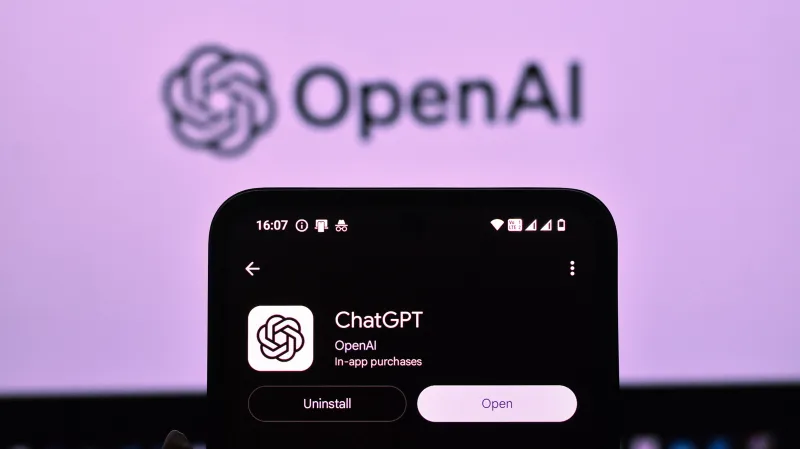
A significant trend is emerging in the artificial intelligence landscape, with a noticeable number of users reportedly abandoning OpenAI's flagship chatbot, ChatGPT, in favor of competing services. This exodus appears to be directly linked to a recent, high-profile deal struck between OpenAI and the U.S. government. The specifics of the deal have not been fully disclosed, but the mere association has triggered widespread concern among the user base, prompting millions to seek alternatives.
The primary driver behind this mass migration seems to be a deep-seated apprehension about data privacy and the potential implications of government involvement with AI models. Users, who often entrust these platforms with sensitive personal information, conversations, and creative endeavors, are expressing unease about how their data might be accessed, utilized, or protected under the new government partnership. The fear is that governmental access could compromise the confidentiality and security that users previously assumed was in place.
Among the most popular alternatives experiencing a surge in adoption is Claude, a chatbot developed by Anthropic. Users are citing Claude's perceived stronger commitment to ethical AI development and its more robust privacy policies as key reasons for their switch. This indicates a growing user demand for AI services that prioritize transparency and user control over data.
The situation highlights a critical juncture for AI companies. As these technologies become more integrated into daily life, public scrutiny over their ethical practices and data handling protocols intensifies. OpenAI's deal, while potentially offering benefits in terms of research or regulatory clarity, has inadvertently created a perception of compromised user trust. For other AI developers, this presents an opportunity to differentiate themselves by emphasizing their dedication to user privacy and ethical AI principles.
The long-term impact of this user migration remains to be seen. However, it serves as a powerful reminder that in the rapidly evolving world of AI, user trust is a fragile commodity. Companies must not only innovate technologically but also proactively address user concerns regarding privacy and ethical governance to maintain their user base and foster sustainable growth. The preference for services like Claude suggests a growing user consciousness about the broader societal implications of AI, pushing companies to be more accountable.
Why Are People Getting Rid Of ChatGPT
Admin
2 Views
2 min read
Source:
bgr.com