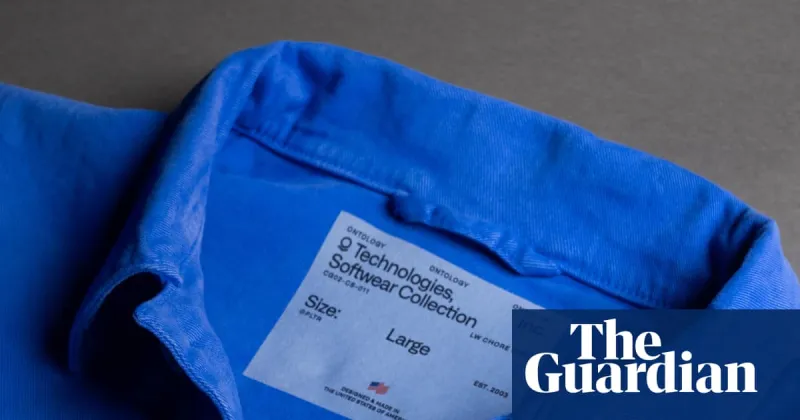
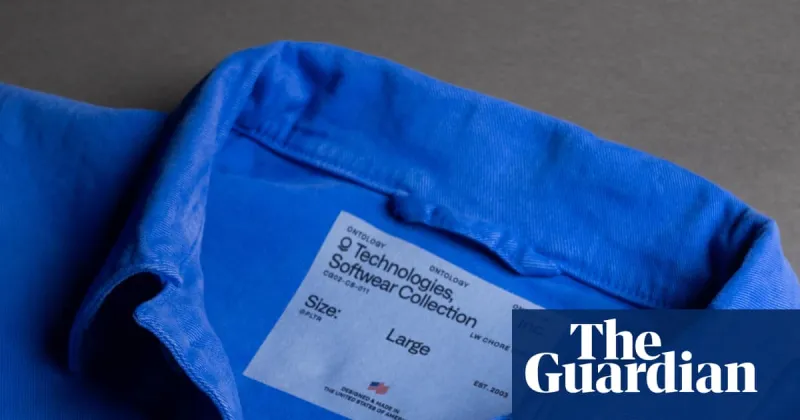
Silicon Valley, long characterized by its utilitarian approach to technology and its focus on disruptive innovation, is undergoing a curious transformation. A recent trend sees major tech players, from established giants to burgeoning startups, investing heavily in aesthetics and high-end fashion. This isn't about mere vanity; it's a calculated strategy to reshape brand perception and connect with consumers on a more emotional level. The examples are striking: Palantir, a company known for its complex data analytics software, is now offering a $239 chore coat, an item that evokes a sense of rugged practicality but is elevated to a luxury good. Anthropic, an AI safety company, has been observed taking over coffee shops, transforming them into temporary brand showcases. Furthermore, tech executives are increasingly gracing the red carpets of high-profile events like the Met Gala, traditionally the domain of fashion icons and celebrities.
This pivot to fashion and tasteful aesthetics is driven by several factors. Firstly, in an increasingly crowded market, differentiation is key. Simply offering superior technology is no longer enough. Companies are seeking ways to stand out and create a distinct identity that resonates with a broader audience. Fashion and curated experiences offer a tangible and relatable way to do this. By associating their brands with quality materials, sophisticated design, and aspirational lifestyles, tech companies aim to shed their image as purely functional entities and cultivate an aura of coolness and desirability.
Secondly, this move reflects a deeper understanding of consumer psychology. Purchases are often driven by emotion and identity. By aligning with fashion trends and luxury goods, tech companies are tapping into consumers' desires for self-expression and belonging. They are attempting to position themselves not just as providers of services or products, but as arbiters of taste and culture. The Met Gala appearance, for instance, signals an aspiration to be seen as part of the cultural elite, lending an air of prestige to their technological endeavors. The coffee shop takeovers can be interpreted as an attempt to create an immersive brand experience, making the company's presence felt in everyday life in a more subtle and appealing way. Ultimately, this obsession with tastefulness is a sophisticated marketing ploy, a way for Silicon Valley to evolve beyond its technological roots and become a more holistic and culturally relevant force.
Why is Silicon Valley suddenly obsessed with being tasteful?
Admin
3 Views
2 min read
Source:
The Guardian