World: Evacuation of hantavirus
Admin
2 Views
2 min read
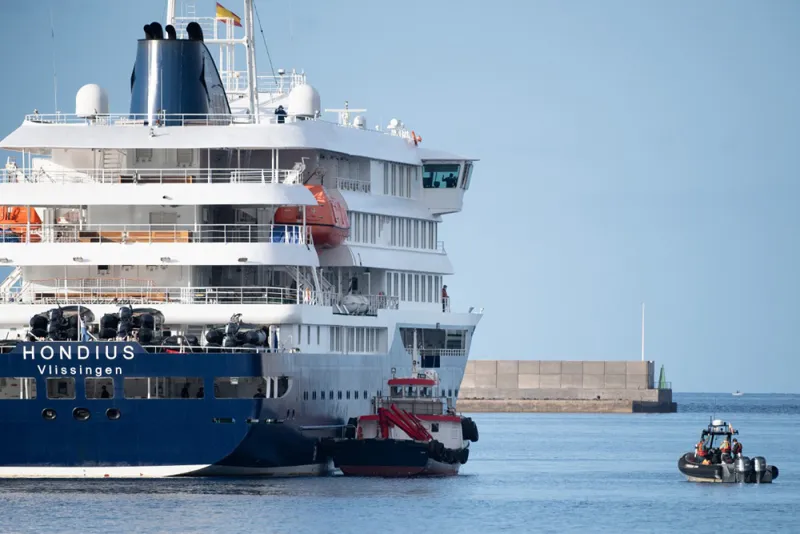
A concerning outbreak of hantavirus has led to the evacuation of passengers from the MV Hondius, a Dutch-flagged vessel. The situation has resulted in the tragic deaths of three individuals: a Dutch husband and wife, and a German woman. Several other passengers have also fallen ill with the rare disease, which is primarily known for its transmission among rodents. The MV Hondius, a cruise ship, was reportedly in the vicinity of the Canary Islands when the severity of the outbreak became apparent, prompting immediate public health concerns and the decision to disembark passengers under strict medical protocols. Hantaviruses are a group of viruses carried by rodents, such as mice and rats. In humans, hantavirus infections can cause a range of illnesses, from mild flu-like symptoms to severe and potentially fatal diseases like Hantavirus Pulmonary Syndrome (HPS) and Hemorrhagic Fever with Renal Syndrome (HFRS). HPS is characterized by fever, muscle aches, fatigue, and difficulty breathing, rapidly progressing to fluid in the lungs. HFRS, on the other hand, affects the kidneys and can lead to internal bleeding. The mode of transmission to humans is typically through inhalation of airborne virus particles from rodent urine, feces, or saliva, or through direct contact with infected rodents. While person-to-person transmission is rare, it is not impossible for certain hantaviruses. The circumstances surrounding the outbreak on the MV Hondius are still under investigation, but the rapid progression of symptoms and the fatalities underscore the serious nature of the virus. Public health authorities are working to trace the contacts of infected individuals and to implement containment measures to prevent further spread. The evacuation process itself is a complex logistical and medical undertaking, aimed at isolating those who are sick and monitoring those who may have been exposed, all while ensuring the safety of the wider community. The incident highlights the potential for zoonotic diseases to emerge and spread, even in controlled environments like cruise ships, emphasizing the importance of ongoing surveillance and rapid response capabilities in global health security.
Source:
NewVision.co.ug