Air India clarifies on ‘no bindi’ policy for crew with same argument as Lenskart
Admin
1 Views
2 min read
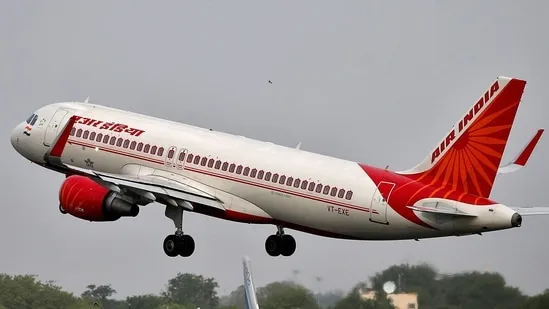
Air India has found itself at the center of a controversy following the online circulation of its grooming guidelines for cabin crew, which reportedly prohibit the wearing of traditional religious and cultural adornments like sindoor, tikka, and bindis. The airline has since issued a clarification, drawing parallels to an argument previously made by the eyewear retailer Lenskart, which faced a similar backlash. The controversy ignited when the updated grooming policy for Air India's cabin crew surfaced, sparking widespread outrage among passengers and employees alike. Many viewed the prohibition of bindis, sindoor (vermilion worn by married Hindu women), and tikkas as an affront to cultural and religious expression, particularly in a country like India where these symbols hold significant meaning. The backlash intensified when Air India's clarification mirrored Lenskart's defense during a similar incident. Lenskart had argued that its employees should adhere to a uniform appearance to maintain a professional image, suggesting that personal adornments could detract from brand consistency. Air India's clarification appears to echo this sentiment, emphasizing the importance of a standardized and professional appearance for its crew. The airline likely aims to project an image of uniformity and professionalism to its international clientele. However, critics argue that such policies unnecessarily stifle cultural diversity and can be perceived as discriminatory. They contend that these traditional markings are not merely decorative but are deeply intertwined with identity and heritage for many Indians. The debate highlights a growing tension between the desire for corporate standardization and the preservation of cultural and religious expression in the workplace. While airlines often have strict grooming standards for safety and operational reasons, the inclusion of specific prohibitions on items like bindis raises questions about cultural sensitivity and inclusivity. Air India's decision to align its policy with Lenskart's rationale suggests a corporate approach that prioritizes a uniform, perhaps Westernized, professional image over the celebration of India's rich cultural tapestry. The incident underscores the complexities of navigating cultural norms in a globalized business environment and the potential for such policies to inadvertently alienate a significant portion of the population.
Source:
Hindustan Times