Number of seniors living alone up 3-fold since 2018, says survey
Admin
1 Views
2 min read
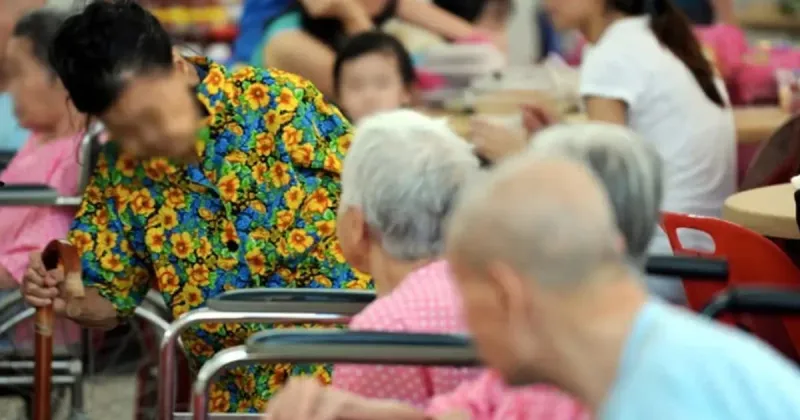
A recent survey conducted by the Health Ministry has revealed a significant and concerning trend: the number of senior citizens living alone has tripled since 2018. The data indicates that 18.8% of individuals aged 60 and above are now residing without a partner or family member, a stark increase from the 6.3% recorded just a few years prior. This demographic shift raises important questions about social support systems, elder care, and the overall well-being of an aging population. The reasons behind this surge are likely multifaceted, potentially including increased life expectancy leading to more widowed individuals, changing family structures with younger generations moving away or prioritizing careers, and a growing desire for independence among seniors. While living alone can offer autonomy and freedom, it also presents challenges related to health monitoring, emergency preparedness, and potential social isolation. The Health Ministry's findings underscore the urgent need for proactive measures to address the evolving needs of this growing segment of the population. This could involve expanding community support programs, encouraging intergenerational living arrangements, providing accessible home care services, and promoting social engagement opportunities for seniors. Furthermore, public awareness campaigns may be necessary to highlight the potential risks associated with solitary living for the elderly and to encourage families and communities to check in on their senior loved ones. The implications of this trend extend beyond individual households, impacting healthcare systems, social services, and urban planning. As more seniors opt for or find themselves living alone, there will be an increased demand for services tailored to their specific needs, from accessible housing modifications to specialized healthcare services. The survey's findings serve as a critical wake-up call, prompting a re-evaluation of how society supports its elderly members and ensuring that their later years are characterized by dignity, safety, and connection, rather than isolation and vulnerability. The upward trajectory of seniors living alone necessitates a comprehensive and compassionate response from policymakers, healthcare providers, and the community at large.
Source:
Free Malaysia Today