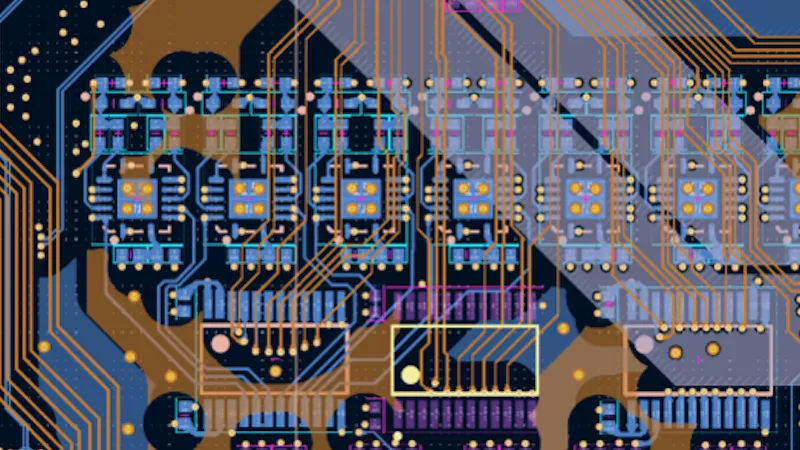
The European Organization for Nuclear Research, known globally as CERN, has once again made a significant contribution to the open-source community by releasing its entire collection of KiCad libraries. This move, detailed in a recent announcement from Hackaday, underscores CERN's commitment to fostering innovation and collaboration beyond its fundamental physics research. KiCad, a widely used open-source software suite for electronic design automation (EDA), is crucial for engineers and hobbyists alike in designing printed circuit boards (PCBs). The availability of CERN's extensive libraries, which likely contain specialized components and designs developed for their complex experiments, provides a valuable resource for anyone involved in electronics.
This generous act is not entirely unprecedented. CERN has a history of contributing to open-source projects, recognizing the power of collaborative development in accelerating scientific and technological progress. By sharing these libraries, CERN is essentially empowering a global community of creators, researchers, and businesses. This can lead to faster development cycles, reduced costs for new projects, and the potential for unforeseen innovations. For instance, a small startup developing a new sensor for environmental monitoring or a university research group working on a novel medical device could leverage CERN's meticulously crafted components, saving them considerable time and resources that would otherwise be spent on designing and verifying such parts from scratch.
The implications of this release extend beyond mere convenience. It democratizes access to high-quality design resources, leveling the playing field for individuals and organizations that may not have the extensive R&D budgets of larger corporations or research institutions. The open-source nature of KiCad, combined with CERN's contribution, means that these libraries are not only free to use but also open to modification and improvement by the community. This fosters a virtuous cycle of development, where contributions from users can further enhance the libraries, making them even more robust and versatile over time.
While the specific details of the libraries released are yet to be fully explored by the broader community, the announcement itself is a testament to CERN's forward-thinking approach. It demonstrates that their pursuit of fundamental knowledge also involves a dedication to practical applications and the advancement of technology for the benefit of all. This gift from CERN is more than just a collection of data; it's an investment in the future of electronics design and innovation worldwide.
Another Gift To The World From CERN: Their Entire Set Of KiCad Libraries
Admin
1 Views
2 min read
Source:
Hackaday