Apple's success is not solely attributed to its innovative technology; a significant part of its global dominance stems from its mastery of branding, intrinsically linked to its distinctive architectural language. ArchDaily's exploration into "Designing a Brand: How Apple Built an Architectural Language of Glass and Order" delves into the sophisticated fusion of physical spaces and brand identity that has become synonymous with the Apple experience. From its iconic retail stores to its corporate campuses, Apple has meticulously crafted an environment that reflects its core values of simplicity, elegance, and user-centric design.
The company's foray into retail architecture began with the groundbreaking Apple Store on Fifth Avenue in New York City. This flagship store, with its signature glass cube entrance, immediately set a new standard for retail design. It was not just a place to buy products; it was an immersive brand experience. The use of glass, a material that evokes transparency, modernity, and a sense of openness, became a recurring motif. This choice of material, combined with clean lines, minimalist interiors, and an emphasis on natural light, created spaces that felt both sophisticated and accessible. The "order" mentioned in the headline is evident in the precise arrangement of products, the uncluttered displays, and the intuitive flow of the store, all designed to guide the customer seamlessly through their journey.
As Apple expanded its retail footprint globally, this architectural language evolved but remained consistent. The iconic glass-fronted stores, often featuring large open spaces, wooden tables showcasing the latest devices, and the signature Genius Bar, all contribute to a cohesive brand narrative. These spaces are designed to be more than just transactional; they are community hubs, places for learning, and extensions of the brand's commitment to customer service and support. The architecture itself becomes a silent communicator of Apple's values, reinforcing the brand's image of innovation, quality, and premium experience.
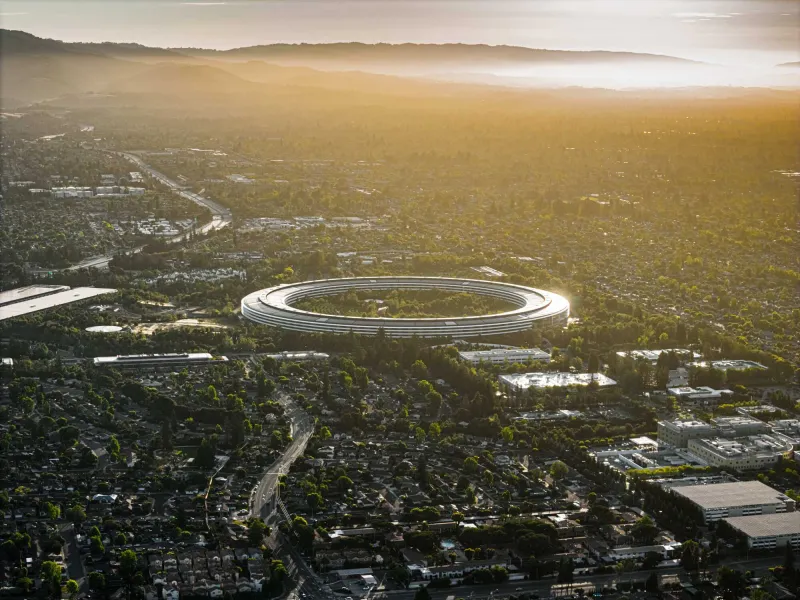
Beyond retail, Apple's architectural vision extends to its corporate campuses, most notably the "Apple Park" in Cupertino. This massive, ring-shaped structure, also heavily featuring glass and clean, curved lines, epitomizes the company's long-term commitment to sustainable design and a harmonious work environment. The integration of nature, with vast green spaces and an emphasis on natural light, further enhances the sense of order and well-being. By consistently applying this architectural language across all its physical touchpoints, Apple has succeeded in creating a powerful and recognizable brand identity that resonates with consumers worldwide. The architecture is not an afterthought; it is an integral component of the Apple brand, shaping perceptions and reinforcing the company's status as a leader in design and innovation.
Designing a Brand: How Apple Built an Architectural Language of Glass and Order
Admin
1 Views
3 min read
Source:
ArchDaily