Hundreds of Sudan’s community kitchens forced to shut in last six months, new Islamic Relief research finds
Admin
Apr 14, 2026
1 Views
2 min read
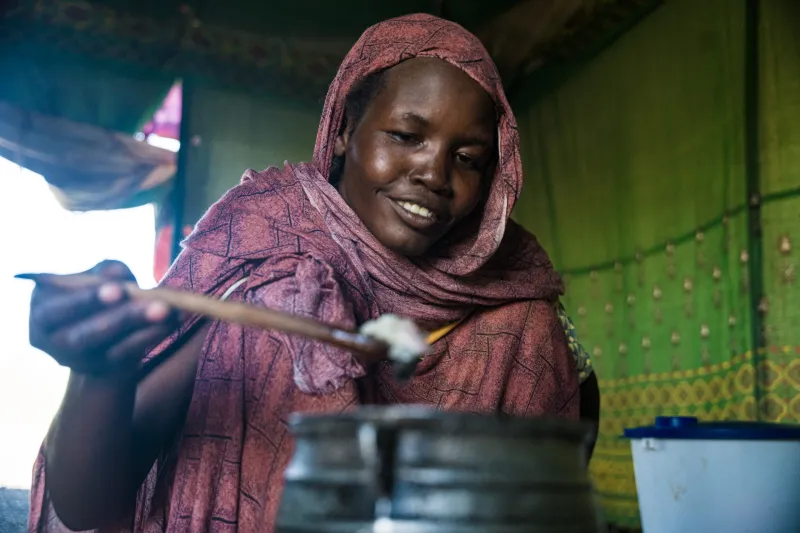
New research conducted by Islamic Relief has revealed a deeply concerning trend in Sudan: hundreds of community kitchens, vital sources of sustenance for vulnerable populations, have been forced to close their doors in the past six months. The report indicates that a staggering 42% of these essential kitchens have ceased operations. The primary driver behind this alarming shutdown is a severe lack of international support. This deficiency in aid is occurring at a critical juncture as the conflict in Sudan enters its fourth year, exacerbating an already dire humanitarian crisis. The closure of these community kitchens directly impacts the ability of many Sudanese people to access basic food necessities, raising grave fears of widespread famine. These kitchens often serve as a lifeline for displaced families, children, and the elderly, providing them with nutritious meals in areas where food supplies are scarce and incomes are nonexistent. The lack of international backing for these initiatives suggests a potential failure of global humanitarian efforts to adequately address the escalating needs in Sudan. The report from Islamic Relief underscores the urgent need for increased and sustained international assistance to prevent a catastrophic humanitarian outcome. The ongoing war has severely disrupted food production, supply chains, and access to markets, making community kitchens even more indispensable. Without them, the situation for millions of Sudanese citizens facing food insecurity is likely to deteriorate rapidly. The article highlights the devastating consequences of underfunding humanitarian aid, particularly in protracted conflicts. The international community's response to the crisis in Sudan has been criticized for being insufficient, and this new research provides stark evidence of the tangible human cost of that shortfall. The implications extend beyond immediate hunger, as malnutrition in children can have long-term developmental consequences, and the lack of adequate food can further destabilize communities already grappling with violence and displacement. The call for more support is not just a plea for food, but for the preservation of a crucial support system that helps maintain human dignity and resilience in the face of overwhelming adversity. The research serves as a critical wake-up call, urging a more robust and coordinated international response to avert a deepening humanitarian catastrophe.
Source:
Islamic Relief Worldwide