QuickCheck: Do non-stick pans release harmful chemicals into food?
Admin
Apr 14, 2026
1 Views
2 min read
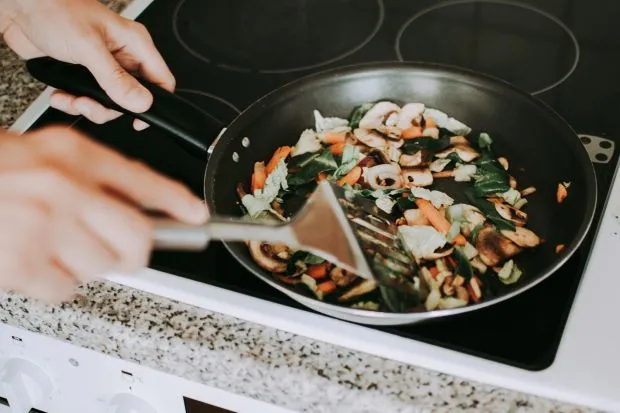
A recent "QuickCheck" investigation delves into a common household item that has revolutionized cooking and kitchen cleanup: non-stick pans. These pans, often coated with materials like polytetrafluoroethylene (PTFE), commonly known as Teflon, have become ubiquitous in kitchens worldwide, including in Malaysia, where they are referred to as "kuali" replacements. Their appeal lies in their ability to prevent food from sticking, significantly reducing the need for oil and making post-meal cleanup a breeze. However, the article raises a pertinent question that has long lingered in the minds of consumers: do these convenient cooking surfaces release harmful chemicals into our food? The investigation suggests that the answer might be more complex than initially assumed, and that the innocence of these pans may be questionable. While modern non-stick coatings are generally considered safe when used as intended, concerns have historically been raised about the potential breakdown of these coatings under high heat. When overheated, PTFE can degrade and release fumes that, in high concentrations, can cause flu-like symptoms in humans, often referred to as "polymer fume fever." More significantly, older generations of non-stick cookware, particularly those manufactured before 2013, often utilized perfluorooctanoic acid (PFOA) in their manufacturing process. PFOA is a chemical that has been linked to a range of health issues, including certain types of cancer, thyroid problems, and immune system dysfunction. Although PFOA has largely been phased out of production in many countries, the legacy of older cookware remains a concern for many. The article implies that the "seduction" of Malaysian kitchens by these pans might come with hidden risks, especially if older or damaged pans are still in use. It prompts consumers to be mindful of the condition of their non-stick cookware. Scratched or peeling surfaces could indicate that the coating is compromised, potentially leading to the release of particles or chemicals into food. The advice often given by experts is to avoid overheating non-stick pans, use non-metal utensils to prevent scratching, and replace pans that show signs of wear and tear. This "QuickCheck" serves as a reminder that even the most convenient household items warrant scrutiny, and that understanding their composition and proper usage is crucial for maintaining a healthy home environment.
Source:
thestar.com.my