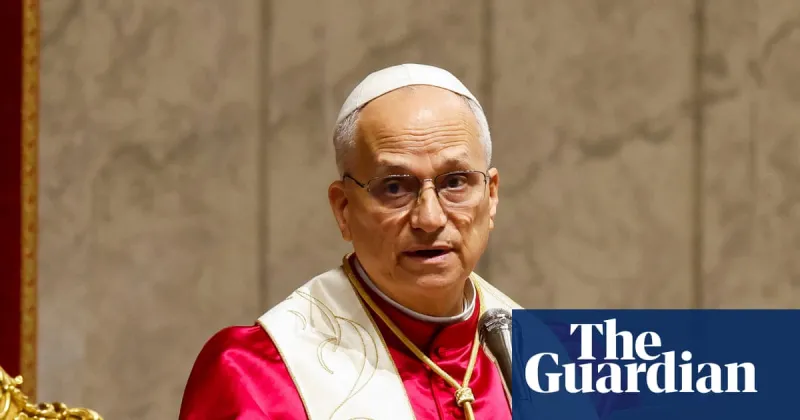
During a solemn peace vigil, Pope Leo delivered a powerful message, declaring "enough of war" and strongly condemning the "delusion of omnipotence" that he believes fuels global conflict. While his comments did not explicitly name any specific war, they were widely interpreted as his most forceful denunciation of ongoing hostilities to date. The Pope's words resonated with a profound sense of urgency, calling for an end to violence and a rejection of the belief that any nation or entity possesses unlimited power.
The "delusion of omnipotence" that Pope Leo decried refers to the dangerous mindset where leaders or nations believe they are beyond reproach, capable of acting with impunity, and entitled to impose their will on others. This perception of absolute power, he argued, often leads to aggressive foreign policies, disregard for international law, and ultimately, devastating conflicts. By highlighting this "delusion," the Pope aimed to challenge the hubris and arrogance that can drive nations towards war, urging a return to humility and a recognition of shared humanity.
His call for "enough of war" is a direct plea for peace, urging an immediate cessation of hostilities across all fronts. The context of the peace vigil further amplified the significance of his message, as it brought together individuals and communities seeking solace and a path towards reconciliation. Although the Pope did not directly reference the war in Iran, the timing and the intensity of his condemnation suggest that the conflict, along with other global hotspots, weighed heavily on his mind. His remarks serve as a stark reminder of the devastating consequences of war and the urgent need for diplomatic solutions and peaceful coexistence. The message is a universal appeal for a shift in global consciousness, moving away from the pursuit of power and dominance towards a greater emphasis on dialogue, mutual respect, and the inherent value of every human life.
Pope says ‘enough of war’ and decries ‘delusion of omnipotence’ at peace vigil
Admin
Apr 12, 2026
1 Views
2 min read
Source:
The Guardian