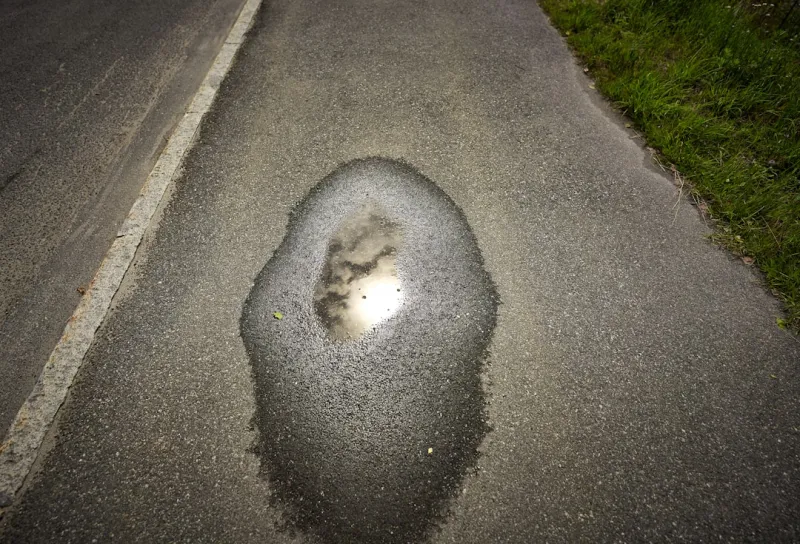
The recent surge in oil prices, directly linked to geopolitical events such as the war in Iran, has understandably dominated headlines and public discourse. The cost at the pump has become a tangible indicator of global instability, impacting household budgets and business operations alike. However, amid this intense focus on fluctuating fuel costs, a less visible but equally significant economic burden is often overlooked: the price of the pothole. These ubiquitous road defects, seemingly minor inconveniences, carry substantial financial implications for individuals, businesses, and public authorities.
For individual motorists, potholes represent a direct financial threat. Striking a pothole at speed can cause significant damage to a vehicle's tires, wheels, suspension systems, and even the chassis. Repairing these damages can be costly, leading to unexpected expenses that strain personal finances. Beyond the immediate repair bills, drivers may also face increased wear and tear on their vehicles, necessitating more frequent maintenance and reducing the overall lifespan of their cars. This translates into a hidden tax on drivers, a constant drain on their resources, and a reduction in the overall value of their automotive investments.
Businesses, particularly those reliant on transportation and logistics, also bear a considerable burden from poorly maintained road infrastructure. Delivery vehicles, commercial fleets, and service vehicles are all susceptible to pothole damage. This not only leads to expensive repairs and downtime, but also impacts operational efficiency. Delayed deliveries, missed appointments, and the need to reroute vehicles around damaged areas contribute to increased costs and reduced productivity. For small businesses operating on tight margins, the cumulative effect of pothole damage can be a significant impediment to growth and profitability.
At a broader level, local and national governments face substantial costs associated with pothole management. While it might seem straightforward to simply fill these holes, the reality is far more complex and expensive. The process involves identifying and mapping potholes, scheduling repairs, procuring materials, and deploying work crews. Furthermore, temporary repairs are often insufficient, leading to repeated interventions and escalating costs. The economic argument for investing in proactive and comprehensive road maintenance, rather than reactive pothole patching, becomes increasingly compelling when considering the long-term financial benefits of smoother, safer, and more durable road networks. Neglecting infrastructure can lead to a vicious cycle of decay and costly repairs, ultimately placing a greater burden on taxpayers.
Therefore, while the price of oil at the pump remains a pressing concern, it is crucial to acknowledge and address the often-unseen "price of the pothole." Investing in robust road maintenance and infrastructure improvement is not merely an expenditure; it is a strategic investment in economic efficiency, public safety, and the long-term financial well-being of communities and individuals.
Price of the pothole
Admin
1 Views
3 min read
Source:
RTE.ie