UN Watch Condemns Democracies' Support for Authoritarian States on Human Rights Bodies
Admin
Apr 11, 2026
1 Views
2 min read
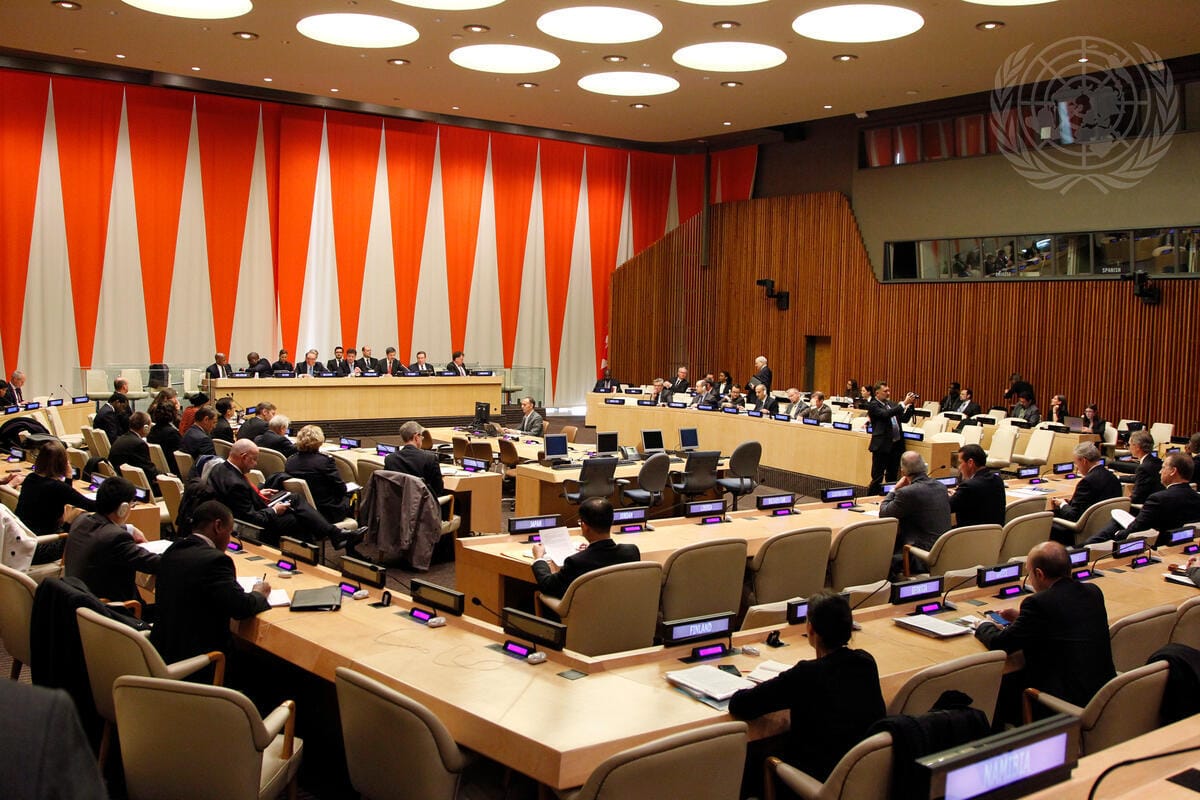
UN Watch, an independent Geneva-based nongovernmental organization dedicated to monitoring United Nations activities, has raised sharp criticism regarding the participation of authoritarian regimes in overseeing human rights bodies within the global organization. The watchdog issued a statement on April 10, 2026, expressing concern that democratic nations have enabled Iran, China, and Cuba to hold positions of oversight and authority within UN human rights mechanisms, a development that UN Watch characterized as fundamentally contradictory to the organization's human rights mandates. The organization specifically called upon Canada and other democracies to reconsider their positions and voting patterns that have facilitated these appointments. UN Watch argued that allowing authoritarian states with documented records of human rights violations to supervise human rights bodies undermines the credibility and effectiveness of these mechanisms. The criticism reflects broader concerns within the international community about the integrity of UN governance structures and the selection processes for key positions. Authoritarian regimes have historically used their influence within international organizations to deflect criticism of their own human rights practices and to obstruct scrutiny of other repressive governments. The participation of Iran, China, and Cuba in overseeing human rights bodies raises questions about the sincerity of the organization's commitment to human rights protection and promotion globally. UN Watch emphasized that democratic nations bear responsibility for allowing such arrangements to persist. The watchdog organization called for reforms in the nomination and election processes for UN human rights bodies to ensure that only states with genuine commitments to human rights protection can participate in their governance. This controversy underscores the ongoing tension between the UN's stated human rights objectives and the political realities that often shape the organization's actual operations. The debate over representation in UN human rights bodies reflects deeper questions about institutional accountability and the effectiveness of international governance in advancing human rights. Observers anticipate that the criticism from UN Watch may prompt discussions among democratic nations about recalibrating their strategies within the organization.
Source:
UN Watch