Vietnam's Rice Sector Needs Stronger Incentives to Cut Carbon Emissions
Admin
Apr 11, 2026
1 Views
2 min read
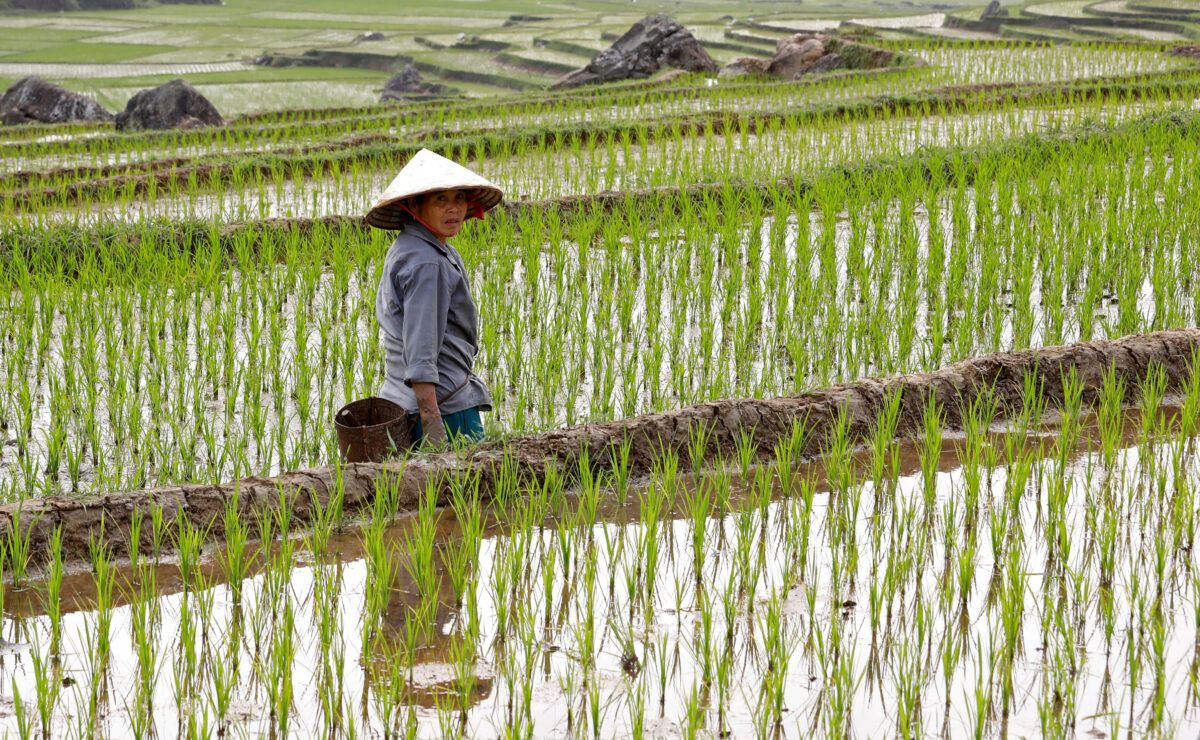
Vietnam's agricultural sector, particularly its vast rice farming industry, faces mounting pressure to reduce carbon emissions as the country pursues climate commitments. According to recent analysis from the East Asia Forum, achieving meaningful emissions reductions will require implementing stronger incentive structures that motivate farmers to transition toward low-emission practices at scale. Vietnam's rice fields cover millions of hectares and contribute significantly to the nation's greenhouse gas output, making agricultural reform critical to climate goals. The current incentive mechanisms have proven insufficient in driving widespread adoption of sustainable farming methods among smallholder farmers who dominate the sector. Experts point to several barriers preventing faster adoption: limited access to financing, lack of technical knowledge, and uncertainty about long-term profitability of low-emission practices. The rice industry remains economically vital to Vietnam, employing millions and generating substantial export revenues. However, traditional farming methods, including flooded rice paddies and heavy fertilizer use, produce significant methane emissions and contribute to soil degradation. Successfully transitioning to sustainable practices requires addressing farmer concerns directly through targeted support programs. Potential solutions include direct payment schemes for farmers who adopt certified low-emission methods, subsidies for improved farming technology, and technical training initiatives. Regional cooperation within Southeast Asia could amplify these efforts through knowledge sharing and harmonized standards. The path forward demands balancing climate imperatives with the economic livelihoods of rural farmers who depend on rice production for survival. Vietnam's success in implementing stronger incentive structures will set a model for other major rice-producing nations facing similar challenges.
Source:
East Asia Forum