“We Knew They Were Paying Informants”
Admin
1 Views
2 min read
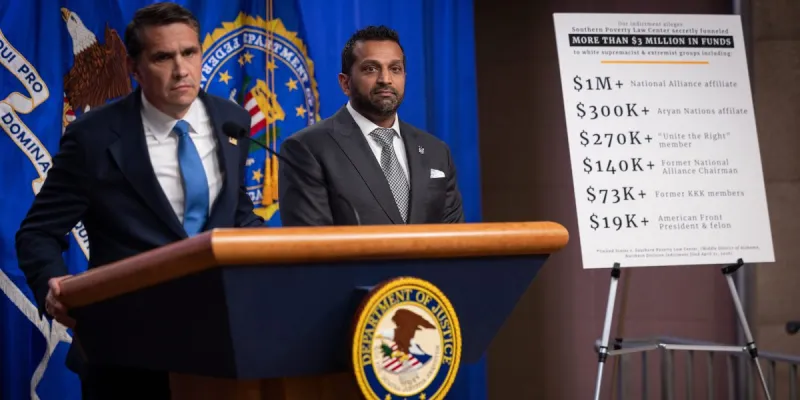
Donors to the Southern Poverty Law Center (SPLC) have come forward with surprising statements regarding the organization's alleged fraudulent activities. Contrary to initial perceptions, these donors have indicated that the very actions, now being scrutinized as 'fraud,' were precisely what they intended their contributions to fund. The SPLC, a prominent civil rights organization, has been embroiled in controversy following accusations that it misused donor funds for personal gain and to pursue politically motivated lawsuits. However, this new perspective from its financial backers suggests a more complex narrative. According to these donors, they were aware that the SPLC was actively engaging in practices such as paying informants and pursuing litigation, which they believed were essential for the organization's mission of combating hate groups and extremism. They viewed these expenditures not as fraudulent, but as necessary operational costs for an advocacy group operating in a challenging environment. One donor reportedly stated, "We knew they were paying informants. That's how you get information. That's how you expose these groups." This revelation challenges the prevailing media narrative and raises questions about the definition of 'fraud' in the context of non-profit advocacy. It implies that the donors' understanding of the SPLC's operations differed significantly from the public's or the accusers'. The SPLC itself has denied any wrongdoing, asserting that its actions were in line with its mission and legal obligations. However, this new information from its donors could significantly impact the ongoing investigations and public perception of the organization. It suggests that the controversy may stem from a misunderstanding of the SPLC's operational methods and the expectations of its supporters, rather than outright financial malfeasance. The legal and ethical implications of these statements are far-reaching, prompting a re-evaluation of how such organizations are funded and how their activities are perceived by both their beneficiaries and the wider public.
Source:
The Intercept