Zimbabwe Flying Lab hosts masterclass on drone ethics, autonomous systems
Admin
1 Views
2 min read
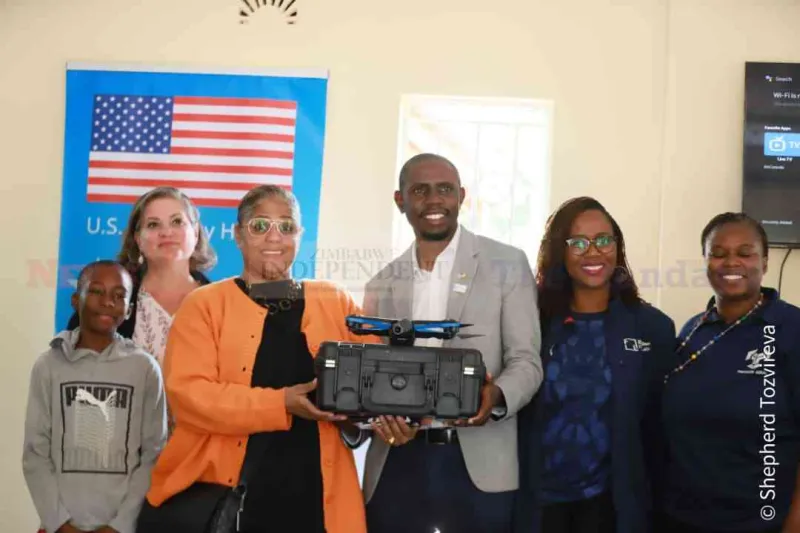
Zimbabwe Flying Lab recently organized a masterclass focused on the critical aspects of drone ethics and autonomous systems. The event brought together experts, industry professionals, and enthusiasts to discuss the evolving landscape of unmanned aerial vehicles (UAVs) and their increasingly sophisticated autonomous capabilities. The masterclass highlighted the rapid advancements in drone technology, emphasizing the need for a robust ethical framework to guide their development and deployment. Key discussions revolved around ensuring responsible innovation and mitigating potential risks associated with autonomous decision-making by drones. Participants explored various ethical dilemmas, such as accountability in case of accidents, privacy concerns related to surveillance, and the potential impact of drones on employment. A significant portion of the session was dedicated to regulatory compliance. Mr. Morgan, a prominent figure in the discussion, emphasized that "regulatory compliance and new safeguards are central to protecting operators and the public." This underscores the growing recognition that effective regulations are essential for fostering trust and ensuring the safe integration of drones into various sectors of society. The masterclass also delved into the complexities of autonomous systems, including artificial intelligence algorithms that enable drones to navigate, identify objects, and make decisions independently. Experts shared insights on the challenges of programming ethical considerations into these systems and the importance of transparency in their operation. The event served as a vital platform for knowledge sharing and capacity building, aiming to equip stakeholders with the understanding and tools necessary to navigate the ethical and regulatory challenges posed by drone technology. The initiative by Zimbabwe Flying Lab reflects a forward-thinking approach to embracing technological progress while prioritizing safety, ethics, and public welfare.
Source:
NewsDay Zimbabwe